Been busy in and out of the field this week! The past three days were perfect for WEEDING... dry, sunny, and slightly breezy. That way the weeds pretty much desiccate once you have them out of the ground.
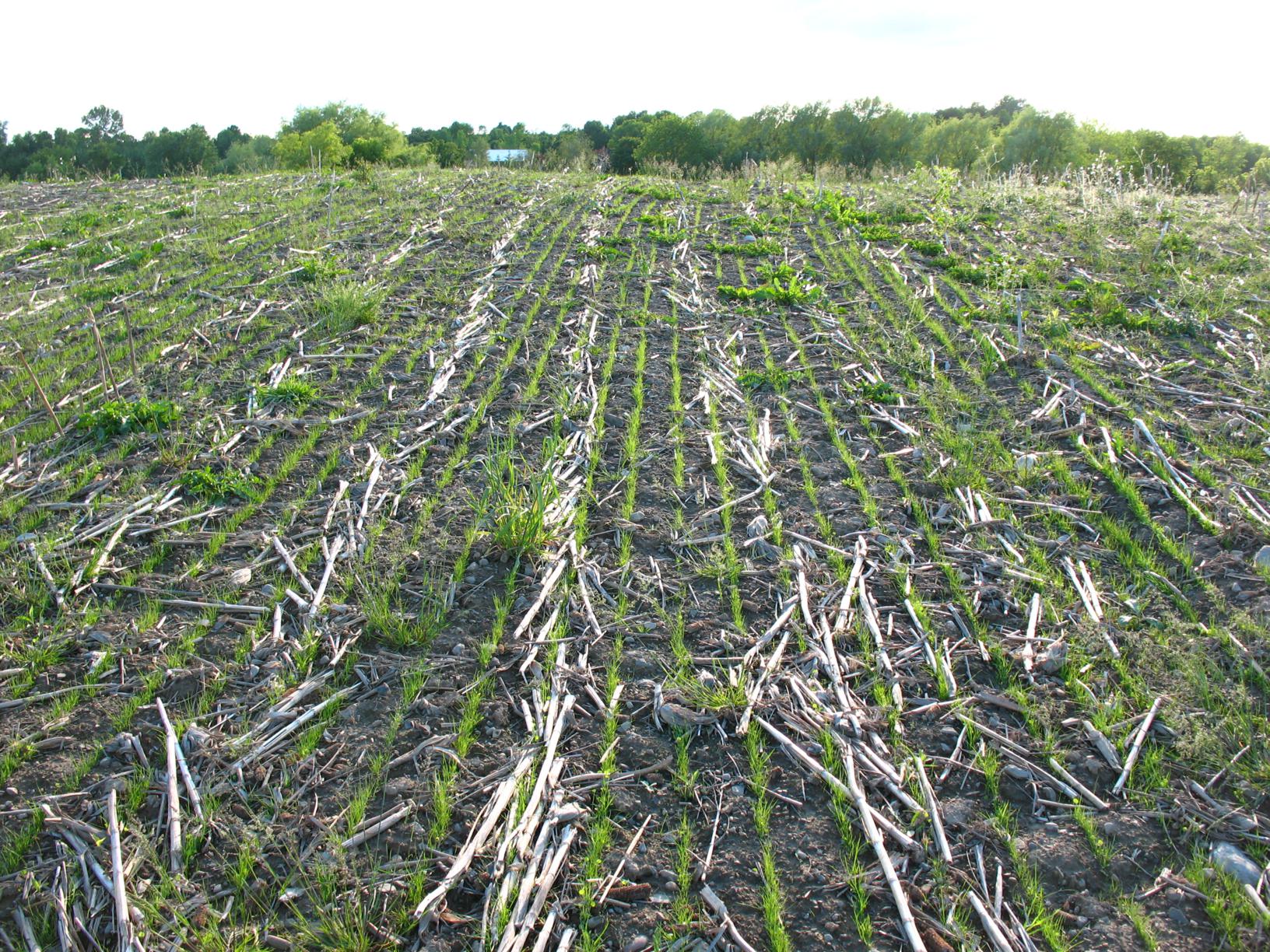
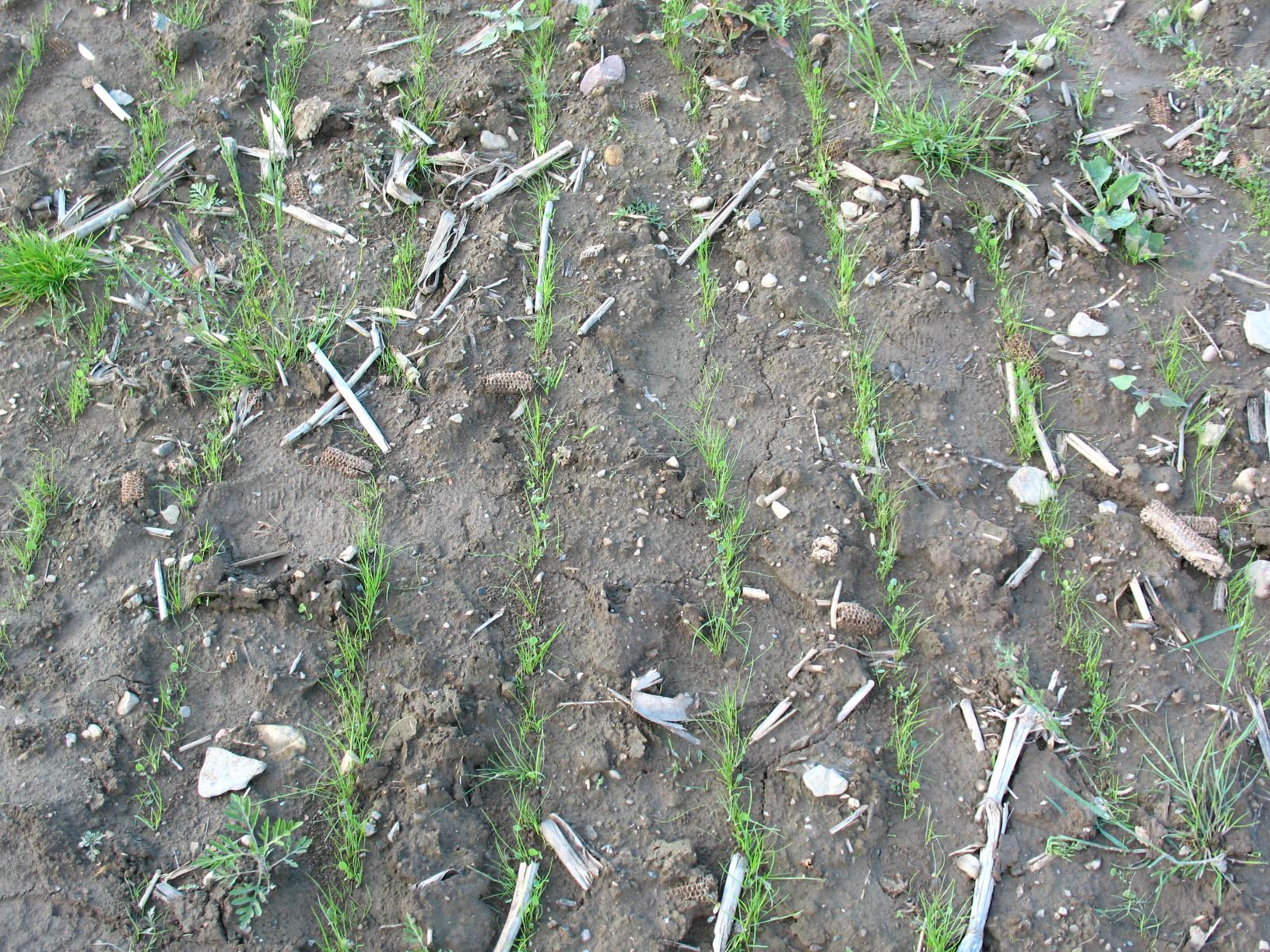
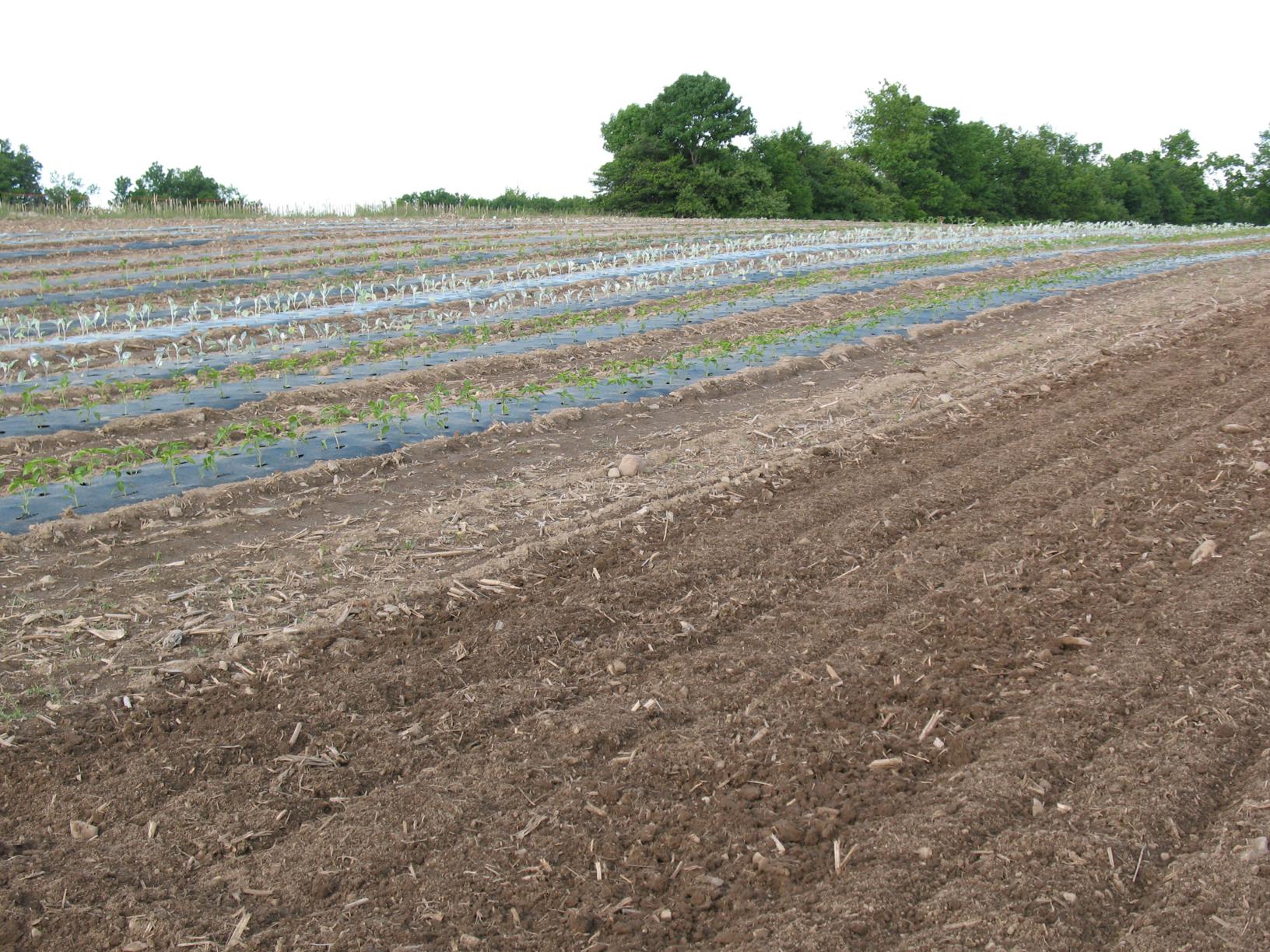
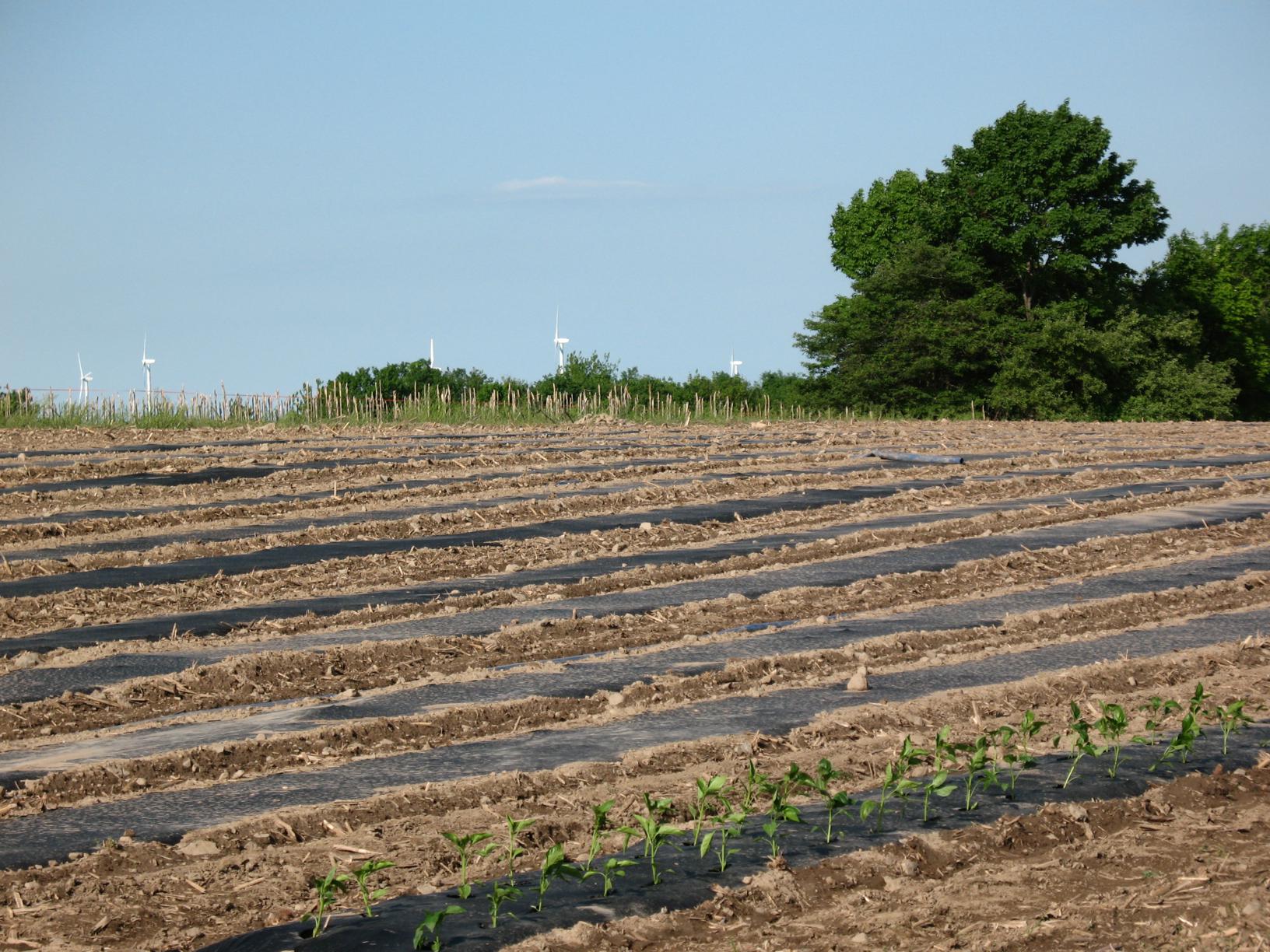
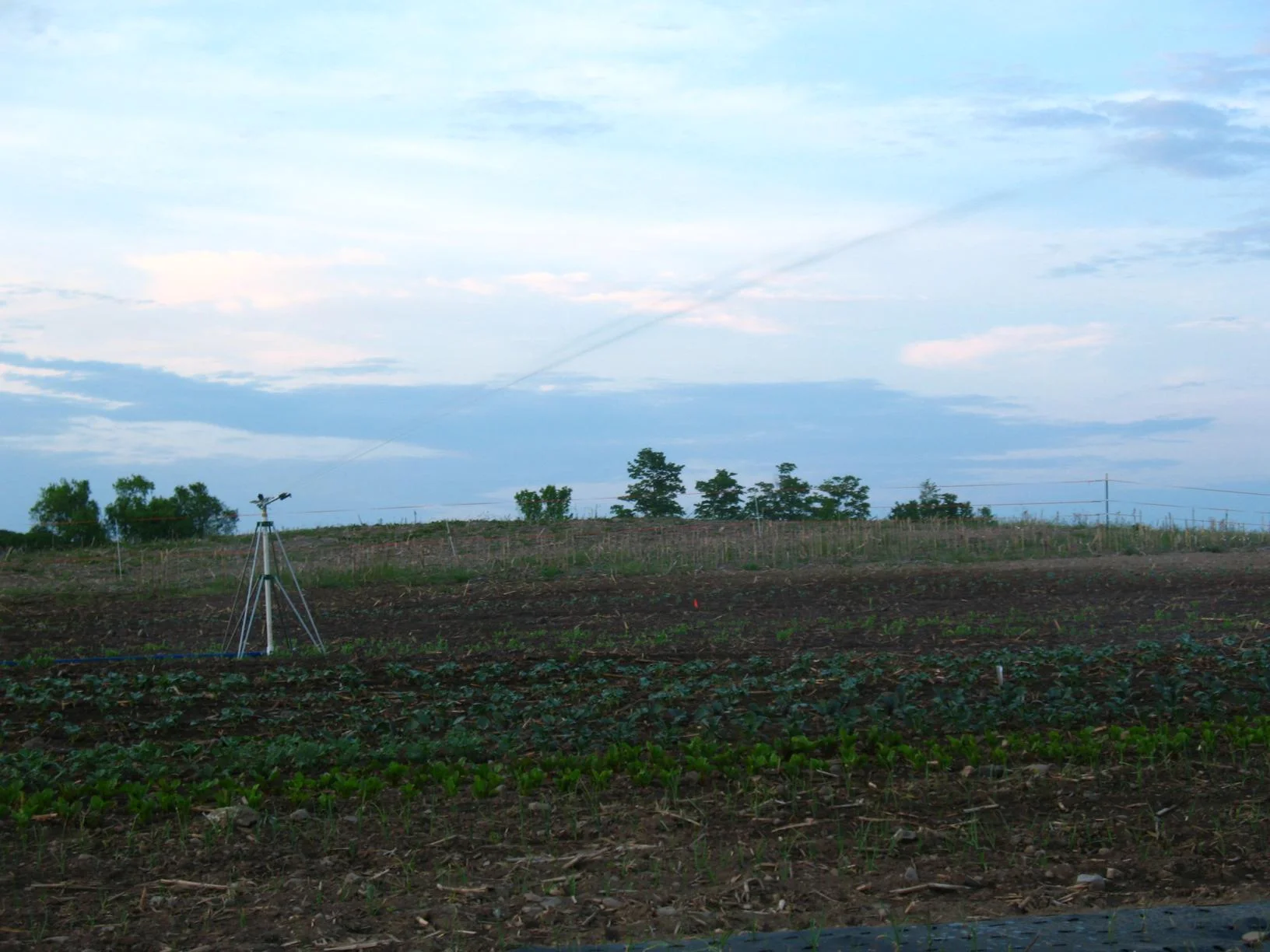
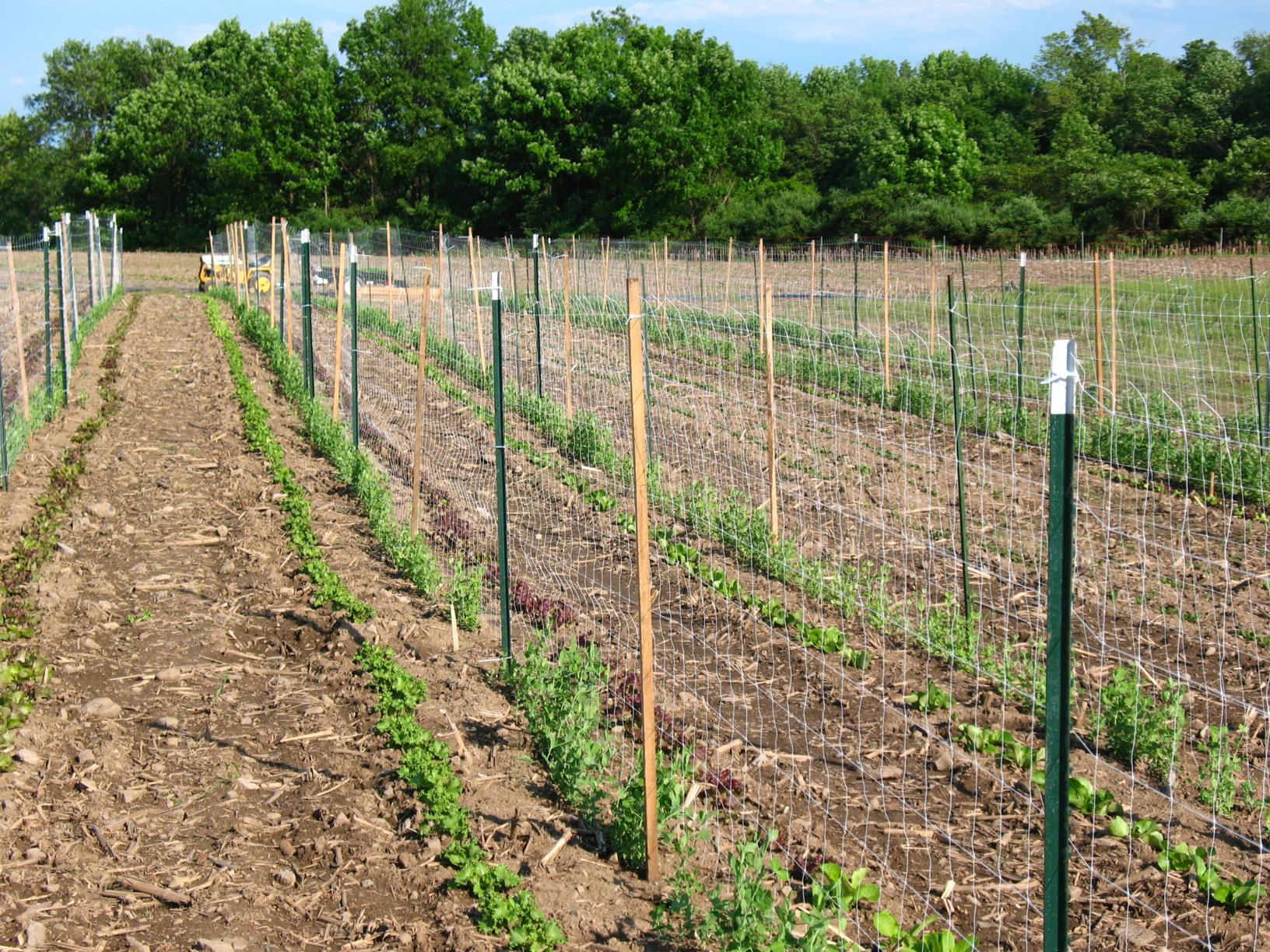
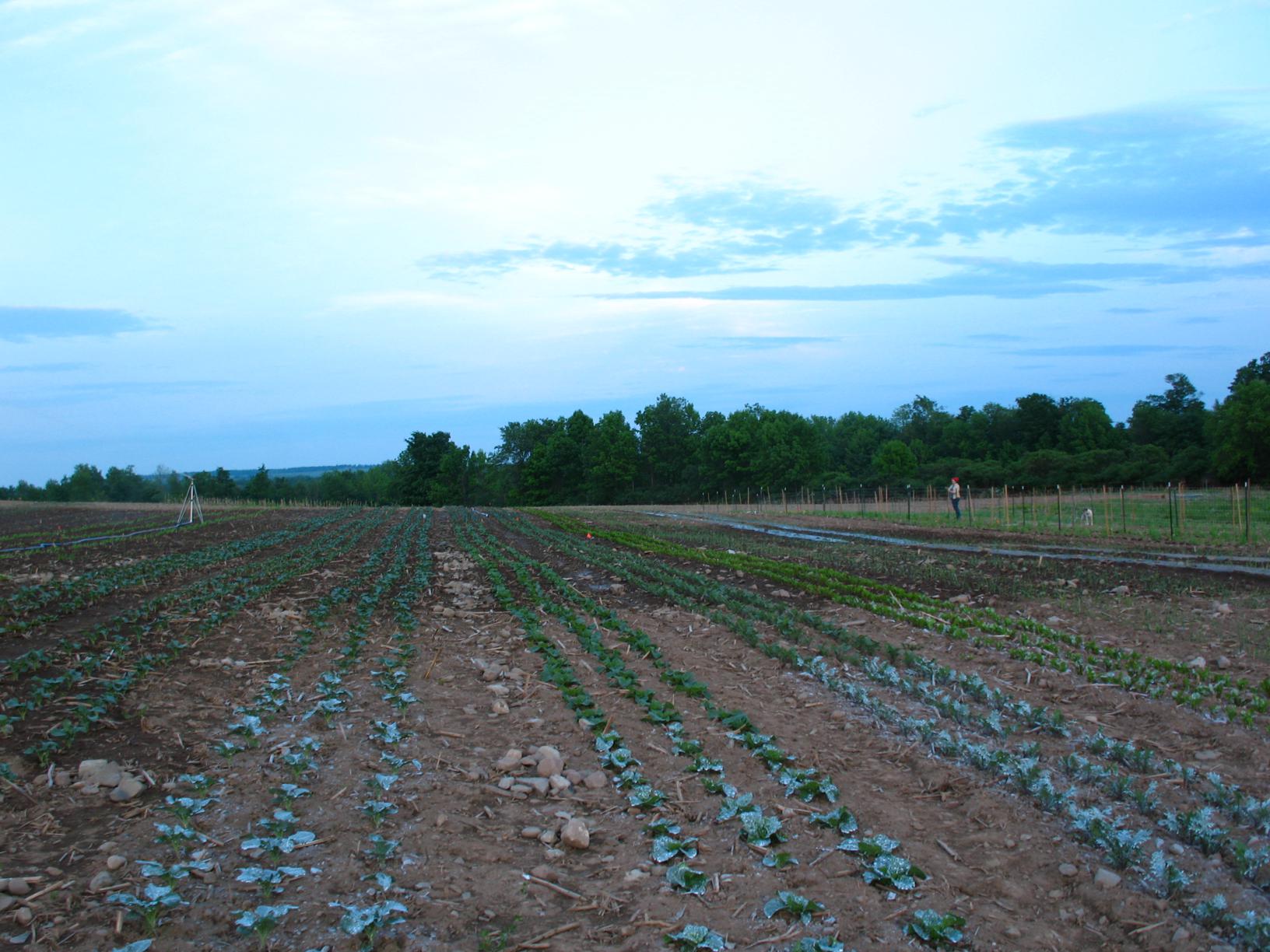
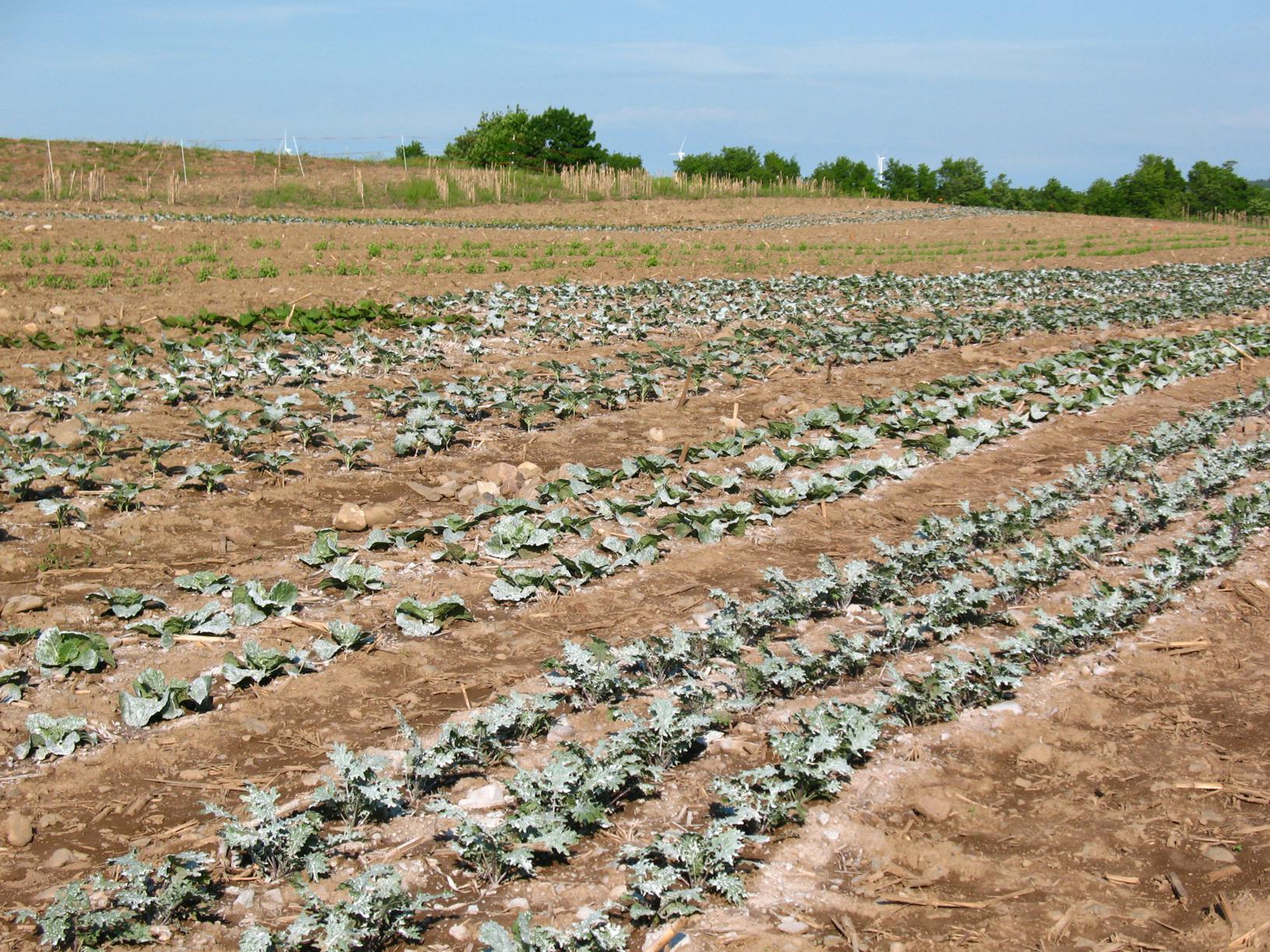
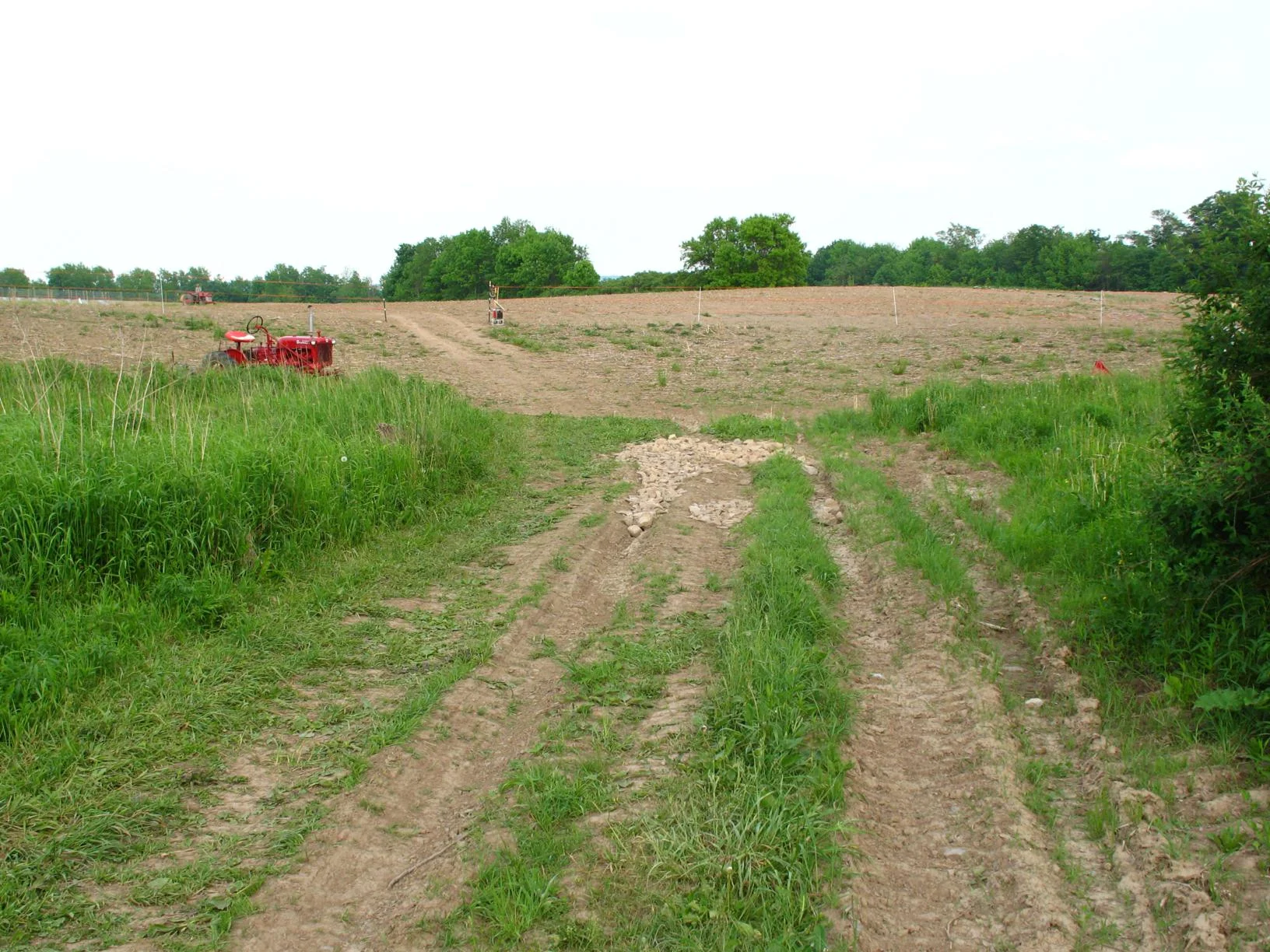
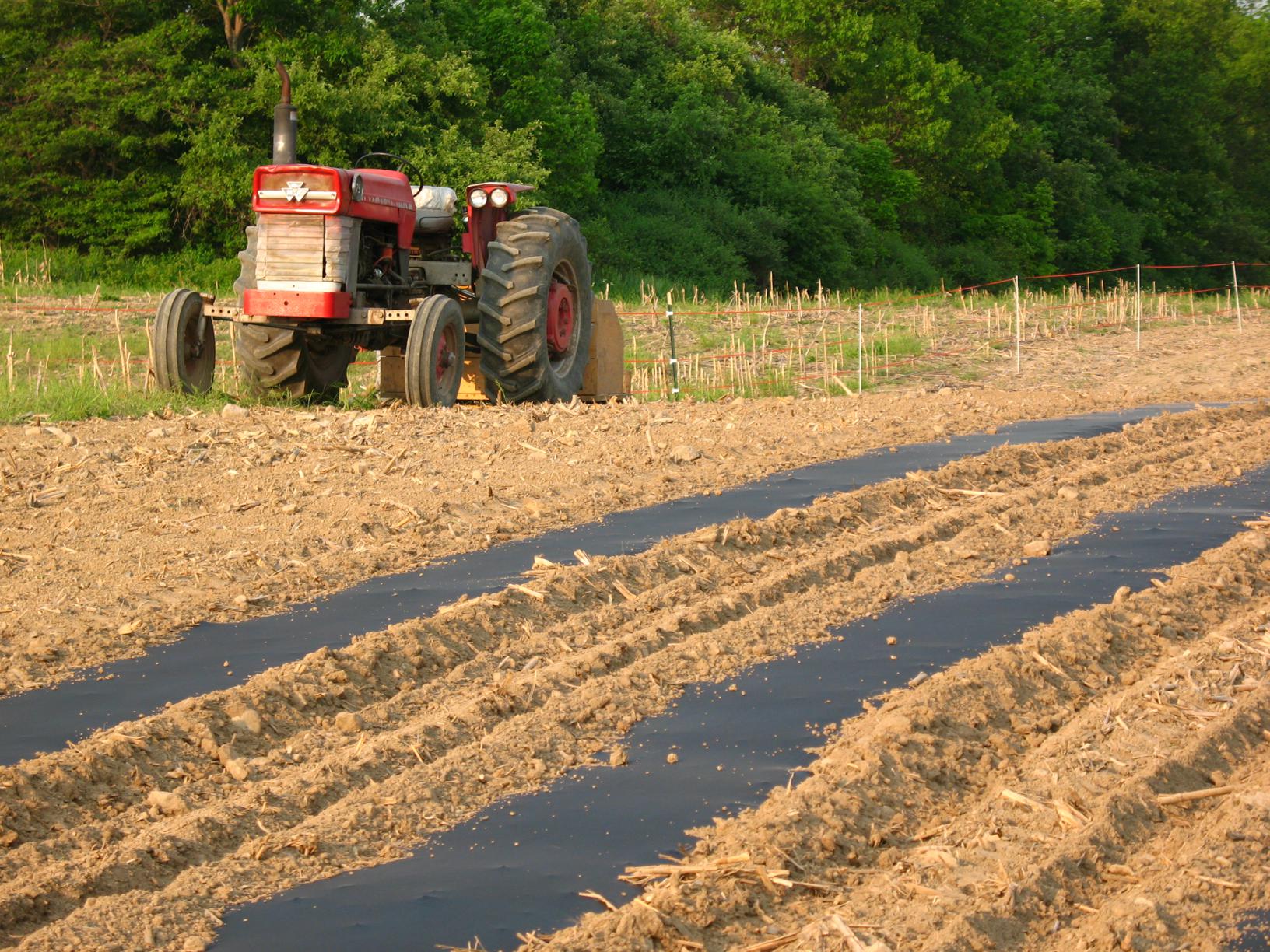
We are trying to take advantage of the "gift" of a corn field... the stalks are a hassle to deal with in the tilling and planting equipment, but there are completely different weeds in corn than in vegetables. In our case, easier weeds for organic control. You can see that there just aren't many weeds coming up yet except that dratted corn stalk residue (most of the weeds in this field start later in the summer).

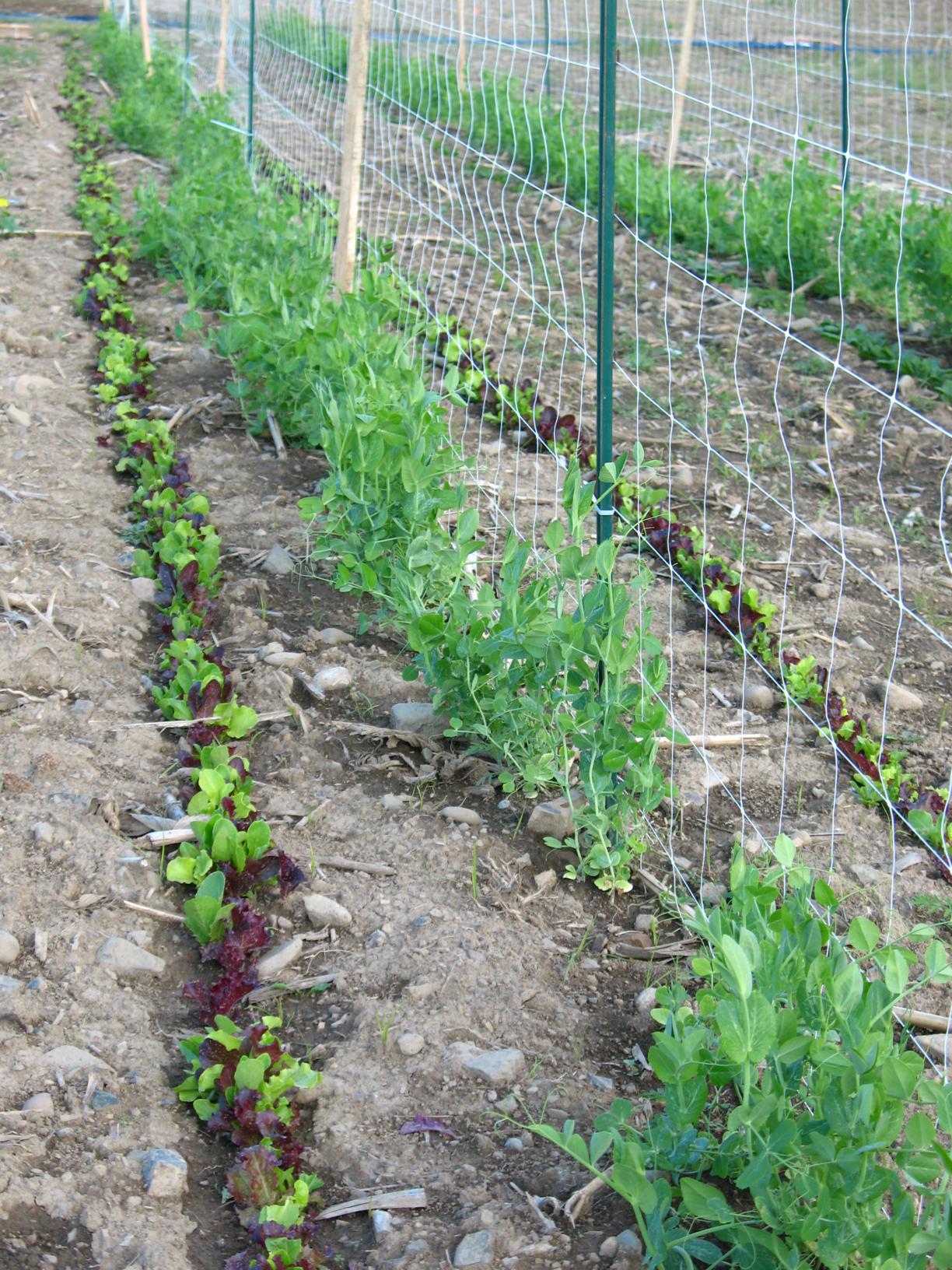
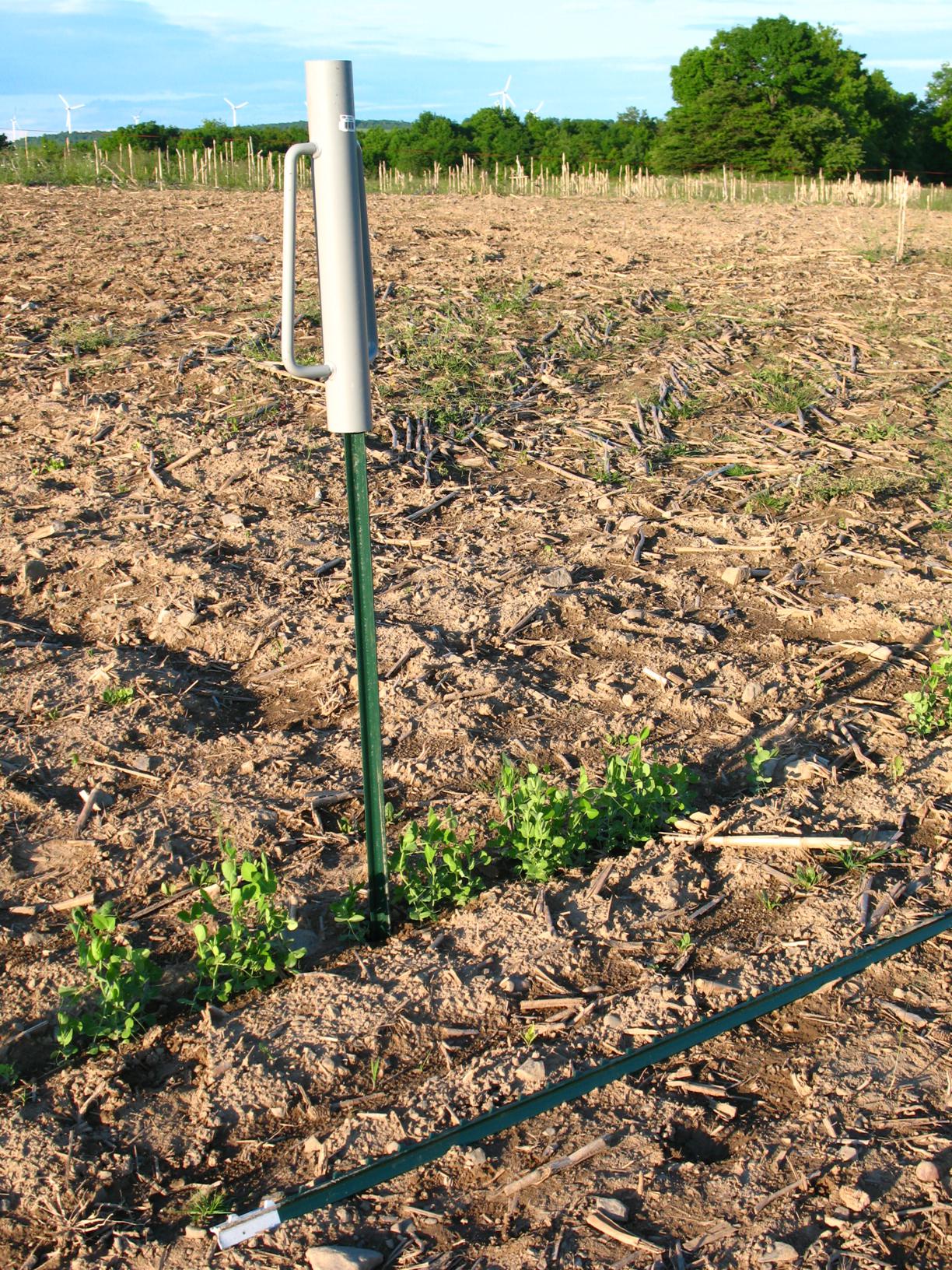
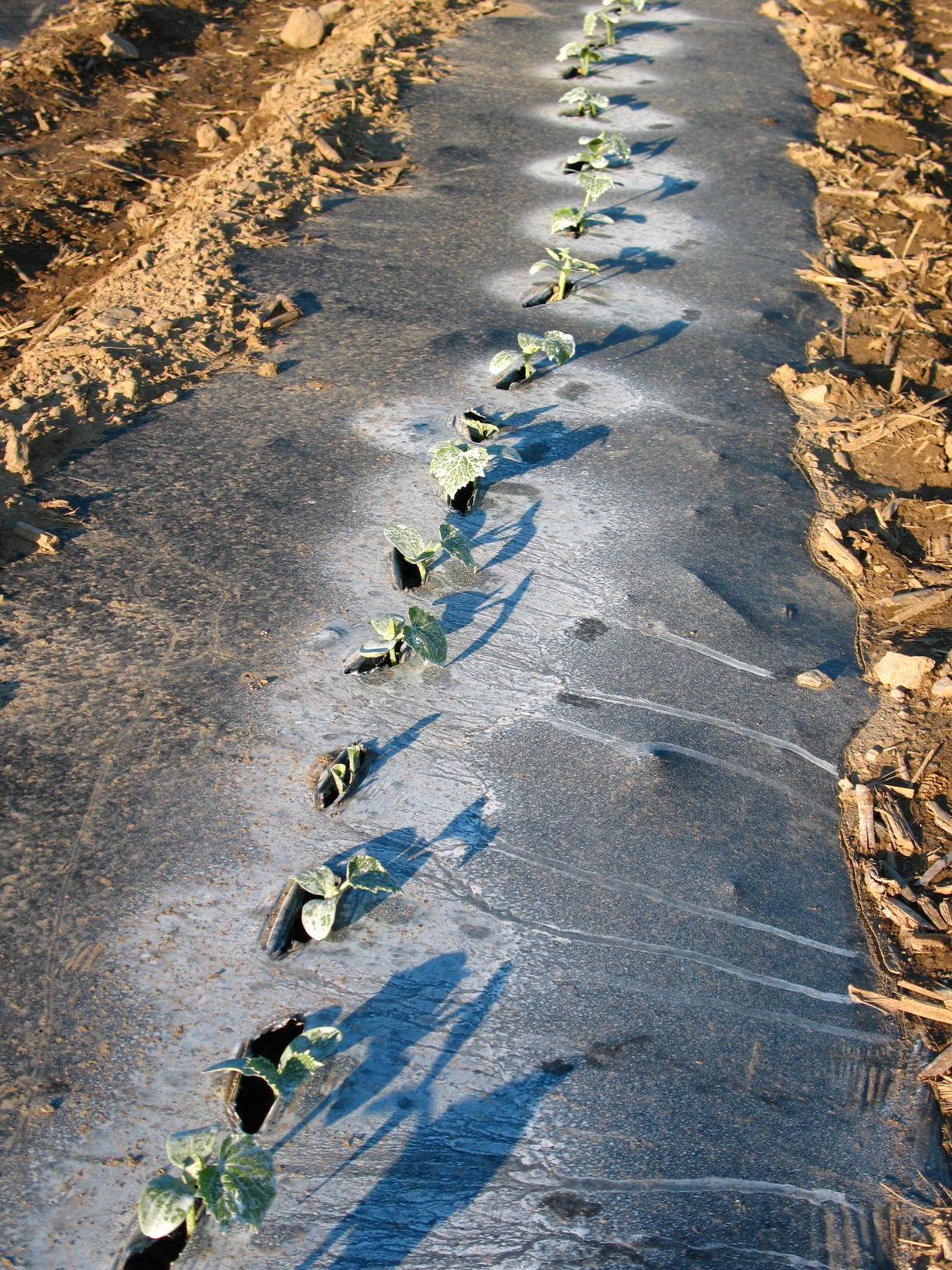
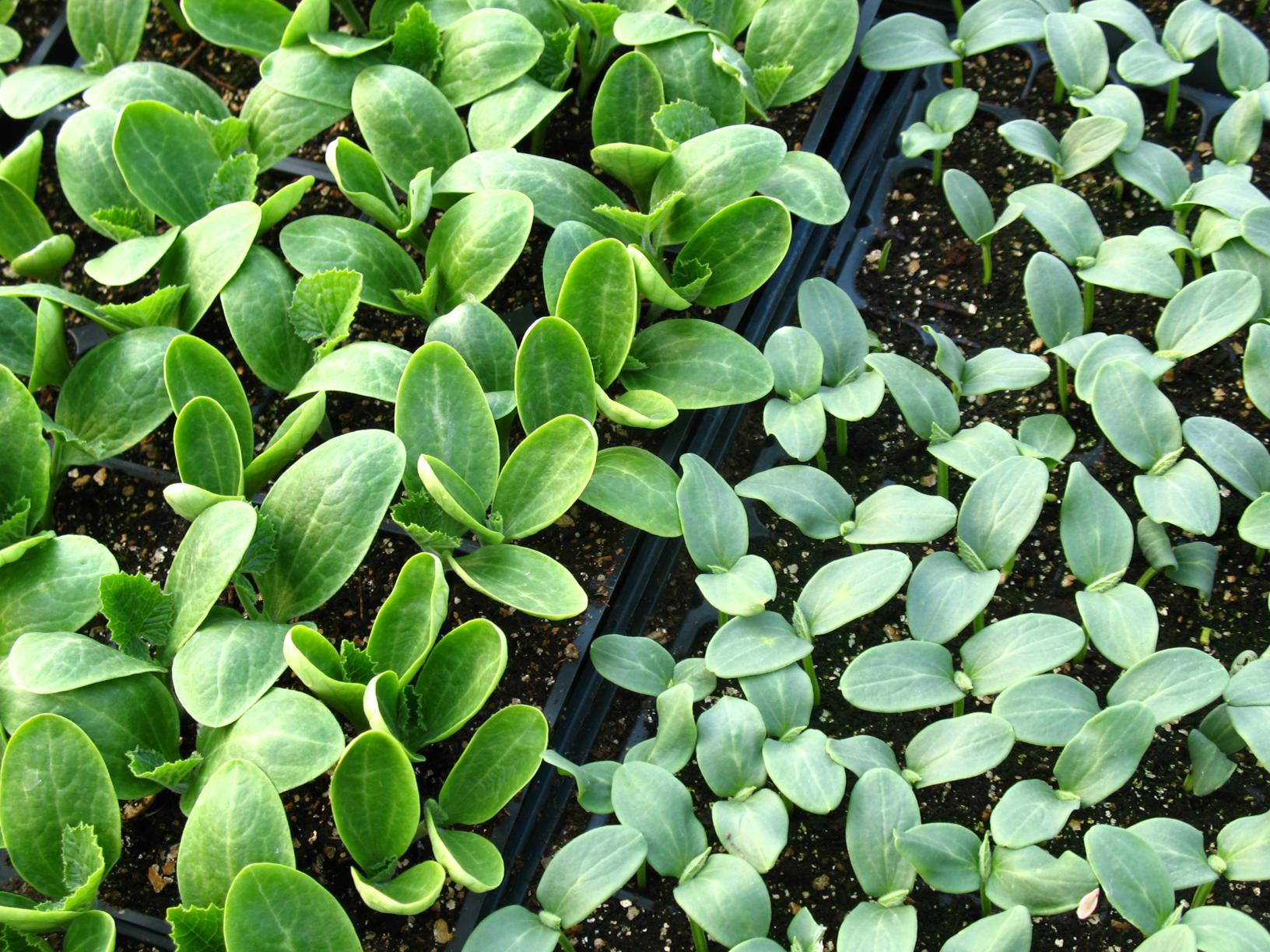
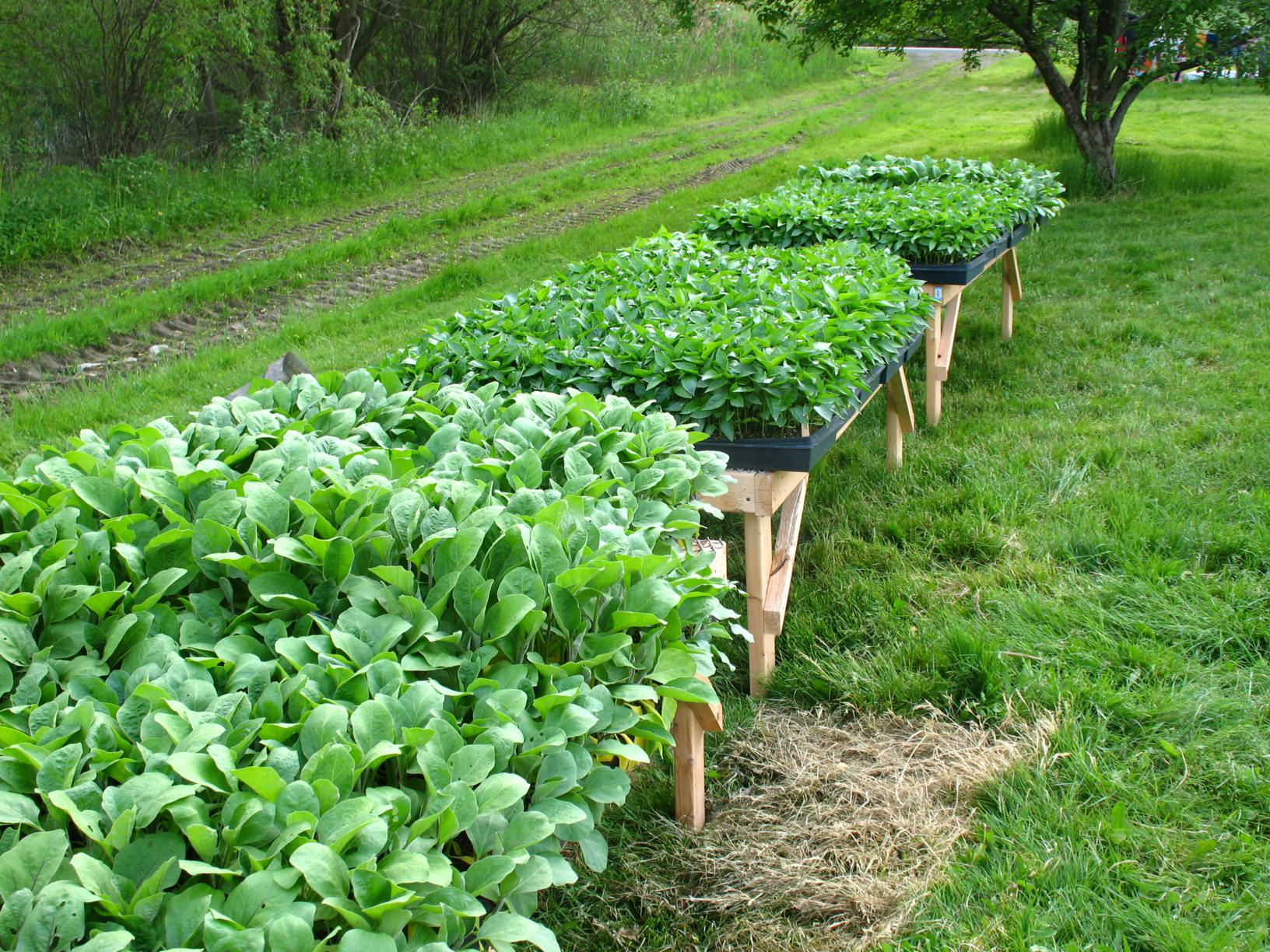
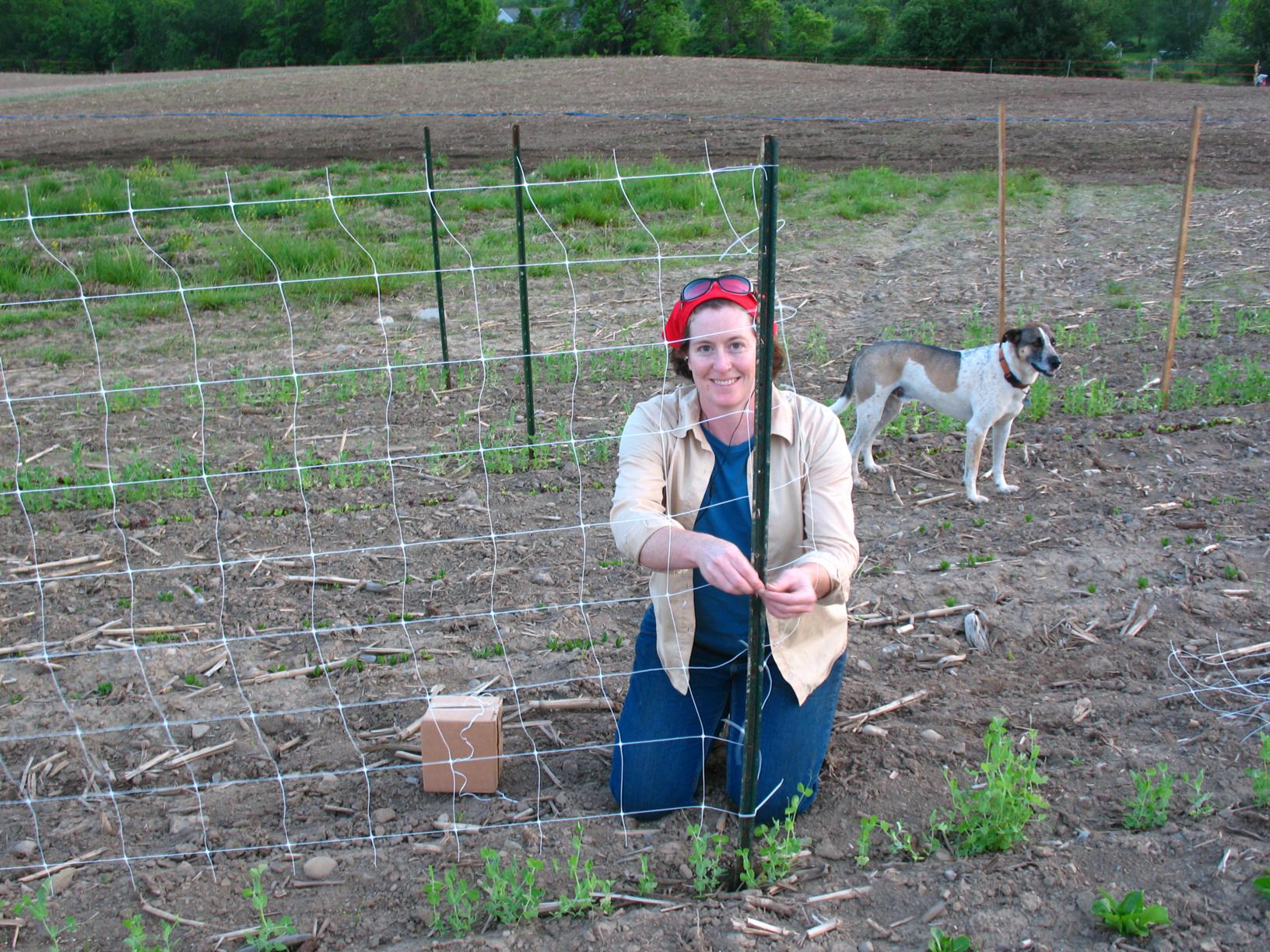
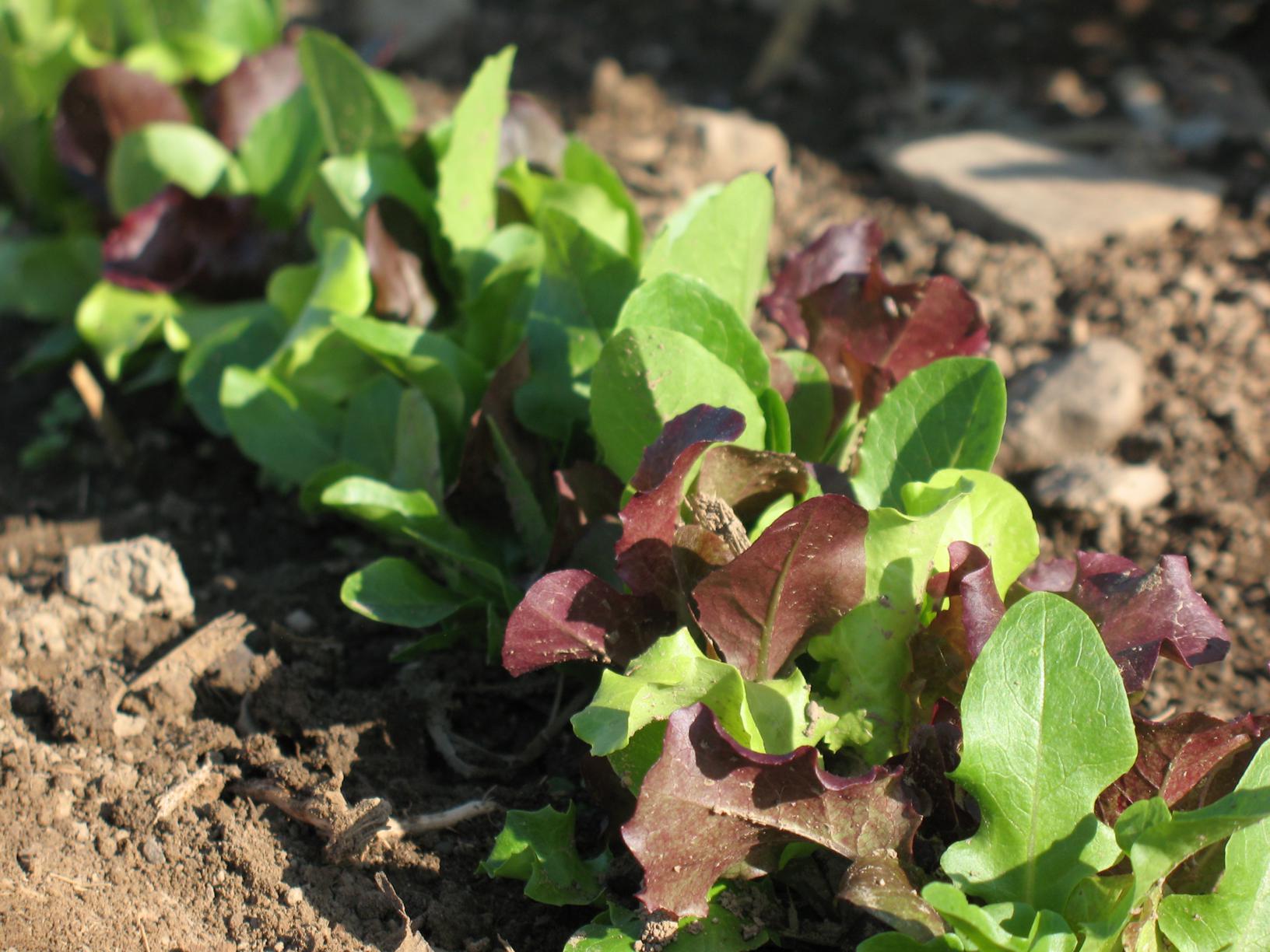
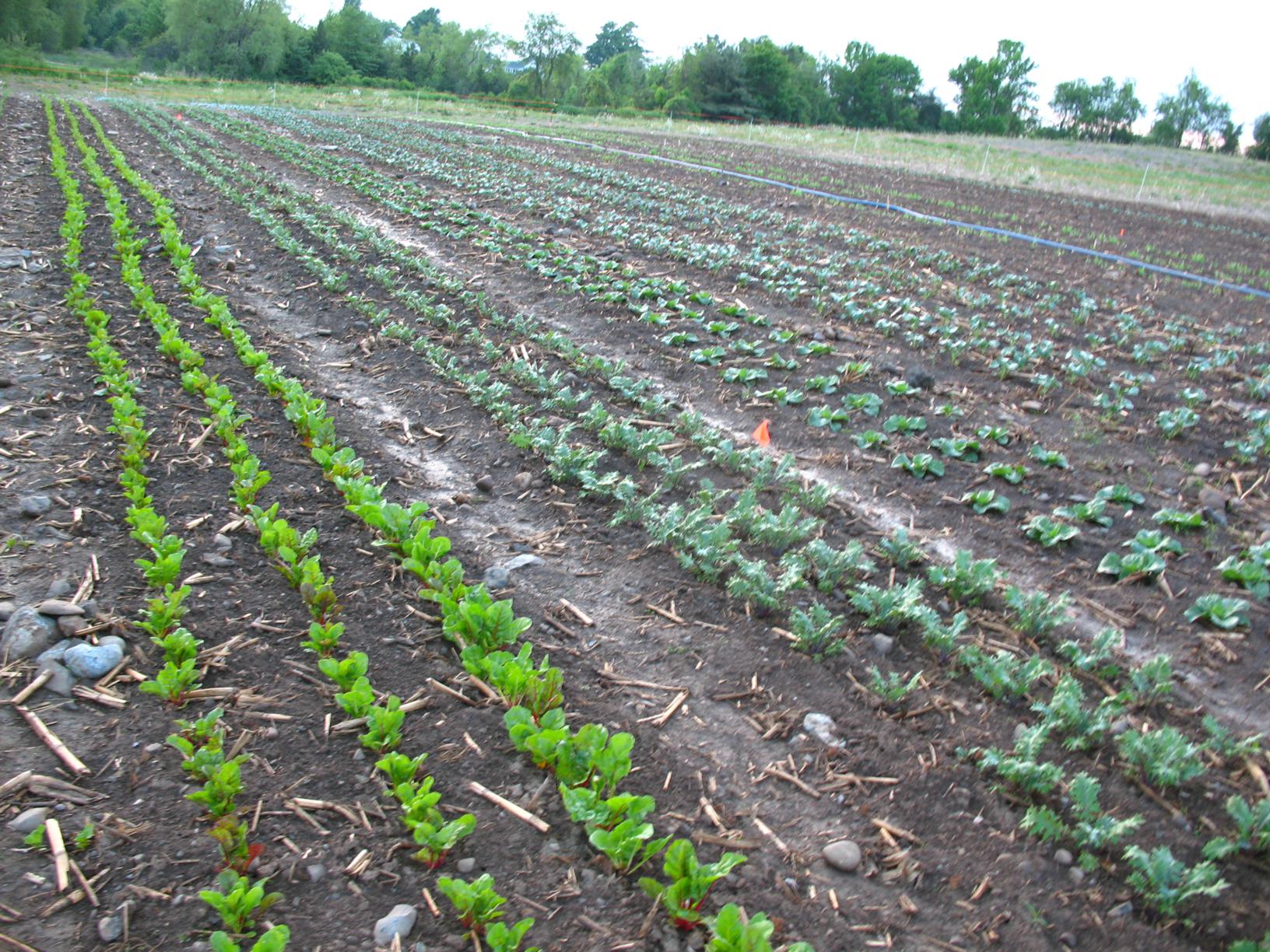
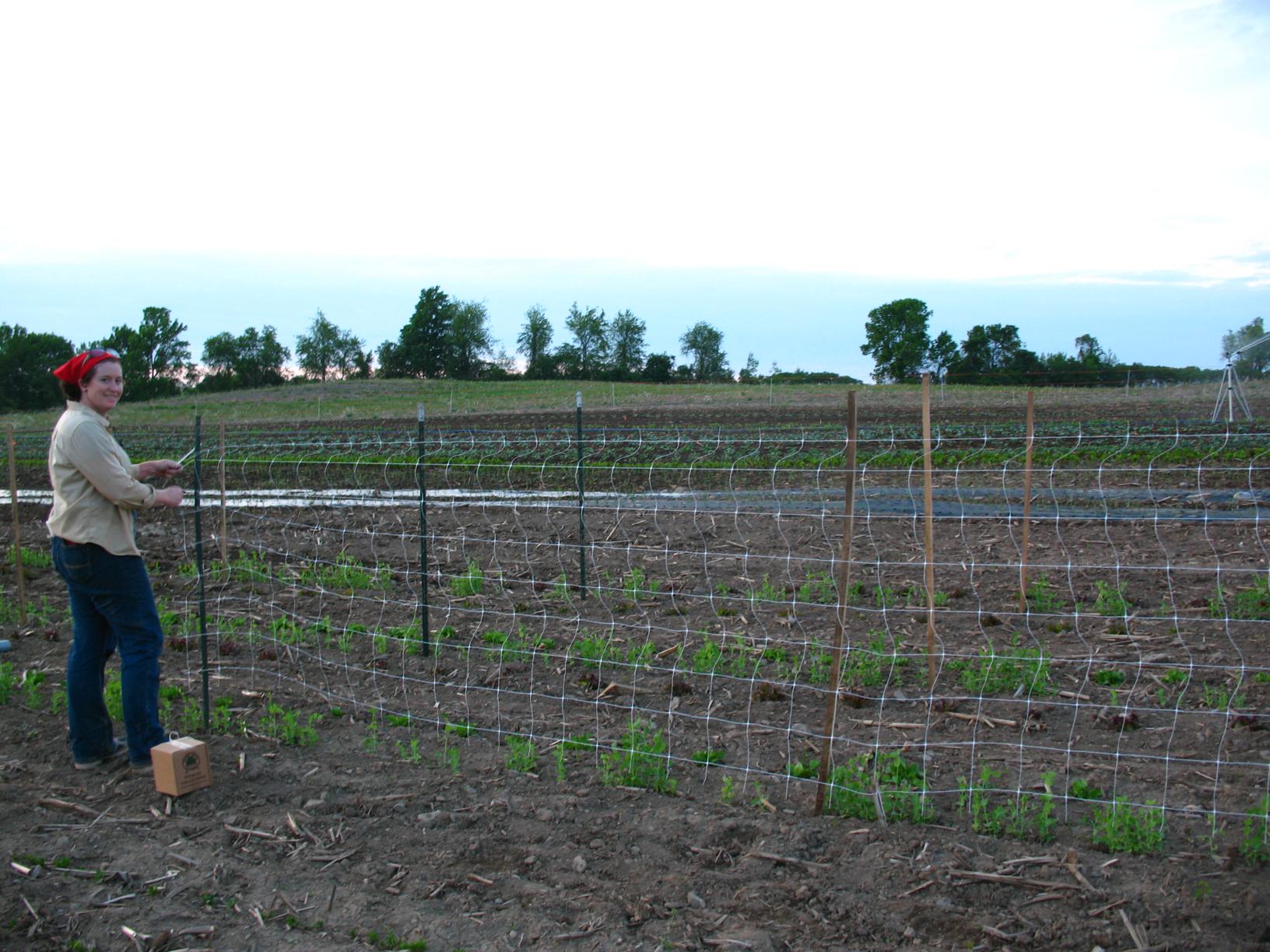
Above is our middle pea planting and first round of head lettuce. We estimate that the March/April role reversal has pushed our spring crops back about 3 weeks, but has no impact on our summer crops. What usually happens is some crops (like those lettuce) speed up their growth and generally ripen more or less on time, and others will run a week or two later. (Vegetables are in as big a rush to grow up and reproduce as we are in a rush wanting them to grow up to be eaten!) Since all the summer crops (beans, squash, tomatoes, etc) were in the greenhouse (or still in their seed packages), all the snow and cold had zero impact on them.
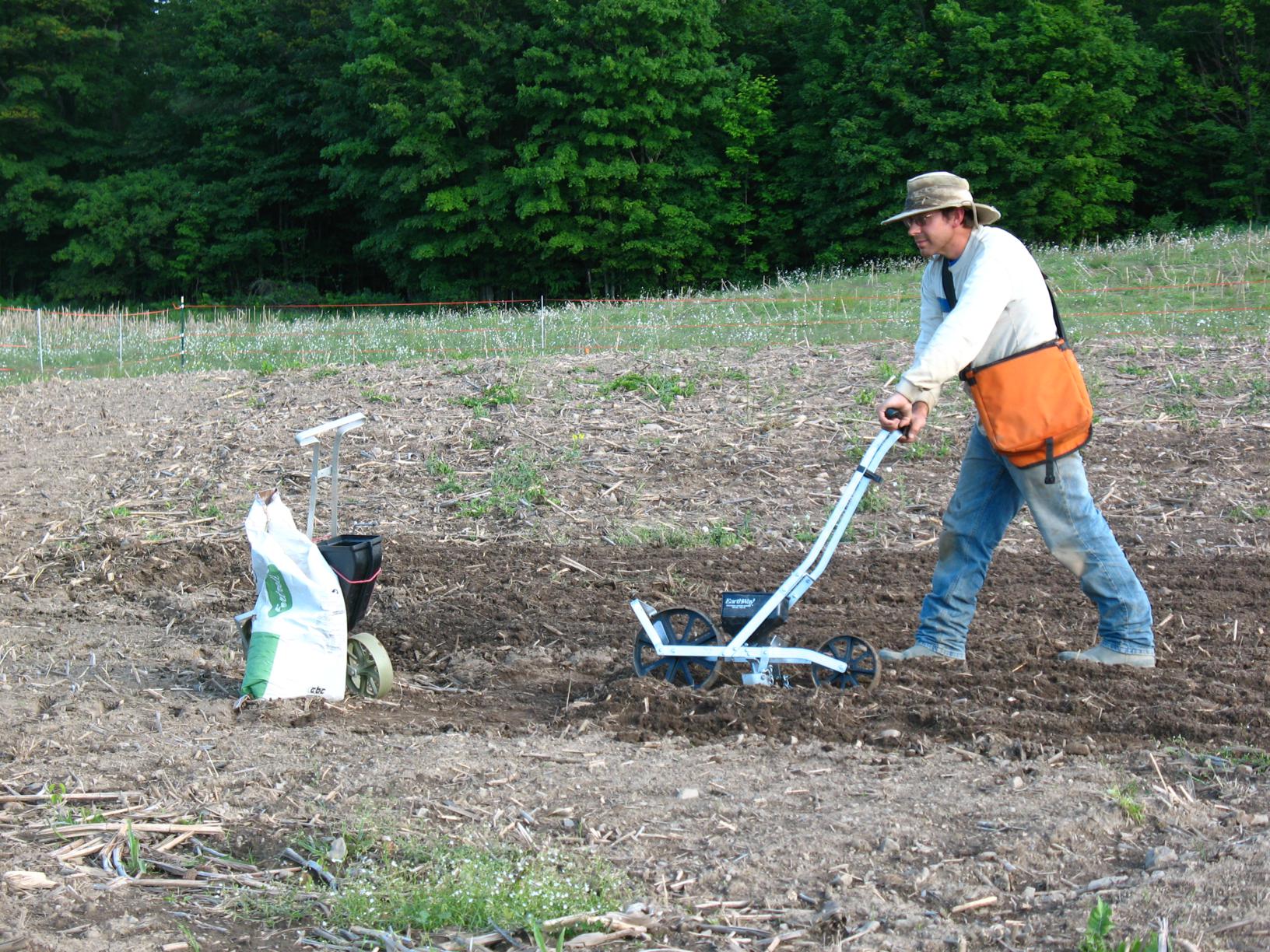
We weed using four main tools... first, our cultivating tractor (which we are bring up next week, so we don't have pictures of that in use yet). Second, we use our trusty wheel hoe:

The wheel hoe has a bunch of different blades and is essentially a hoe attached to a big wheel (just like it says). The advantage is that you are using more of the weight of your arms to push the hoe around, so it tends to be slightly faster and slightly easier (though your shoulders get tired).
We switch back and forth between the wheel hoe and our third form of weeding implement and my favorite, the stirrup hoe (which I *promise* pics of in the future... somehow I forgot yesterday in all the weeding). The stirrup hoe, like the wheel hoe, has a cutting blade that can be used going forward and backward. In addition the stirrup hoe has a bit of oscillation on the blade (so it wiggles back and forth when you are using it), which makes it comfortable to use at a variety of standing positions.
Both the stirrup and wheel hoes have similar cutting blades which are meant to be used BEFORE the weeds are more than an inch or two high. It takes some practice, but you want to gently cut with the blades just below the surface of the soil:
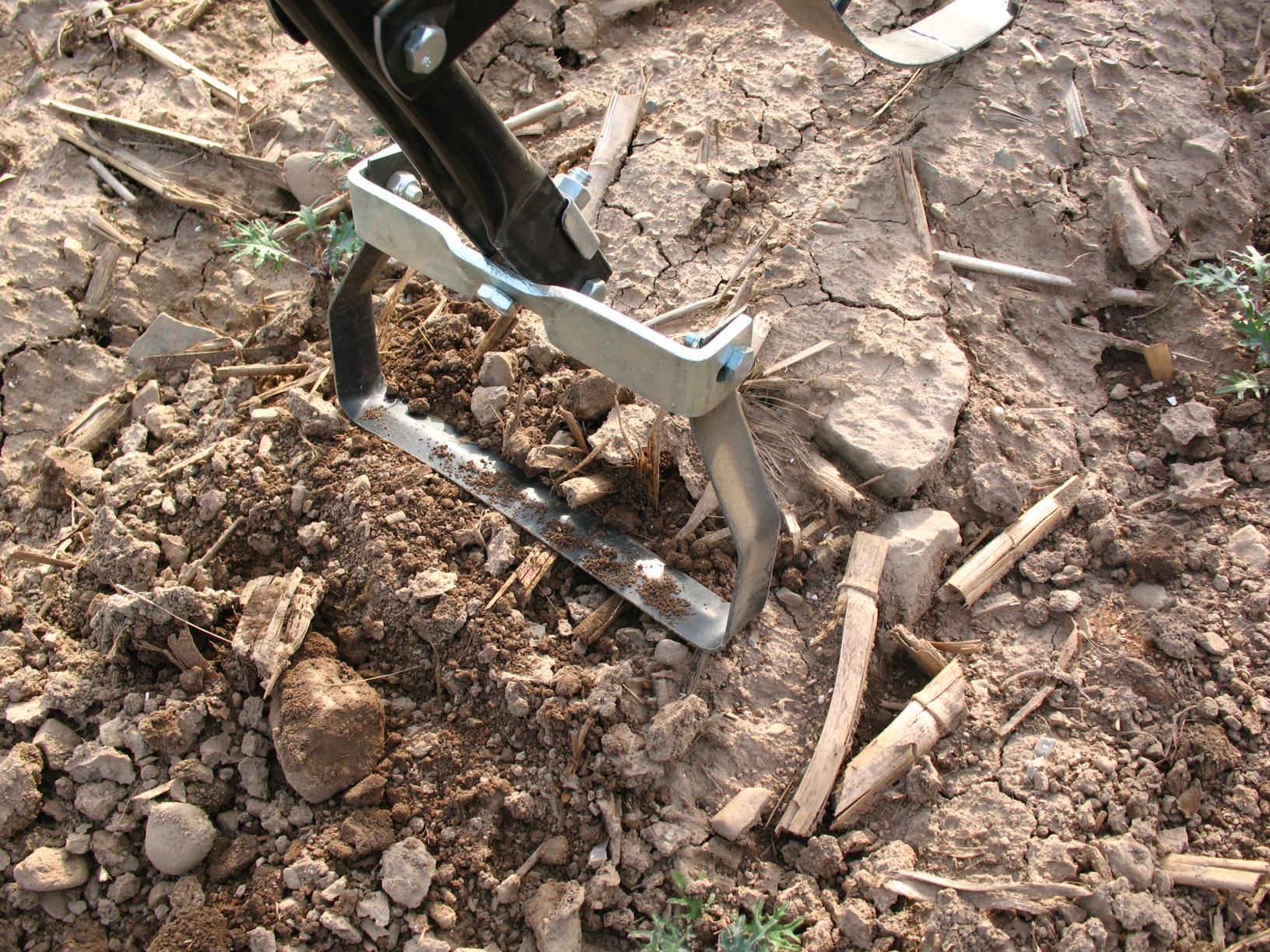
Above you can see the before and after of the wheel hoe action. You can't really see weeds yet because they are pretty microscopic (which is the best time to weed... before you see them!). Ideally, frequent (since it's fast and easy to do with these tools) shallow weeding before weeds becomes a problem helps your crops grow best. Additionally, shallow weeding with slicing blades (as opposed to a traditional hoe) has the added benefit of not bringing new weed seeds up to the surface, which is key in organic weed control systems.
In our case above, you can see that there is a bit of a soil crust. Soil crusts for a range of reasons, including when there is low organic matter (which ours is a bit on the low end), where the soil structure is poorly aggregated (so the soil has what is called poor "tilth"... this is not a problem in our fields), or when the soil gets rained on without much plant or cover crop protection. The bed above (and all of our spring beds) were tilled and then snowed on and then rained on and then planted (over the course of five weeks without any re-tilling), so we are pretty certain the snow/rain combo is to blame! Either way, we think the soil (and the plants) are glad to see that crusting weeded away!
Oh, and our fourth and final weeding tool... our hands. Which we generally only end up using if anything gets ahead of us and grows past that perfect microscopic state in all the pictures above!

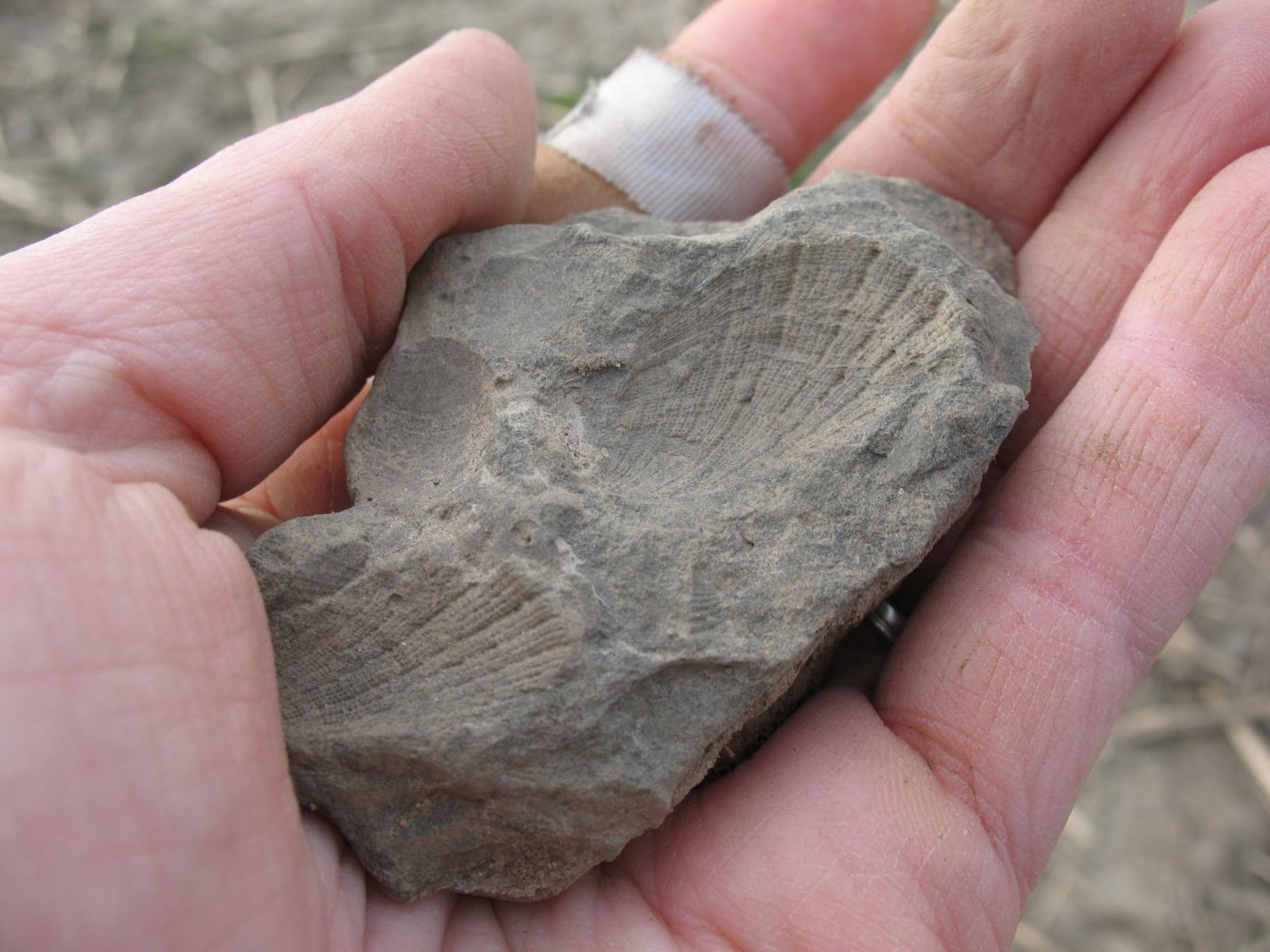
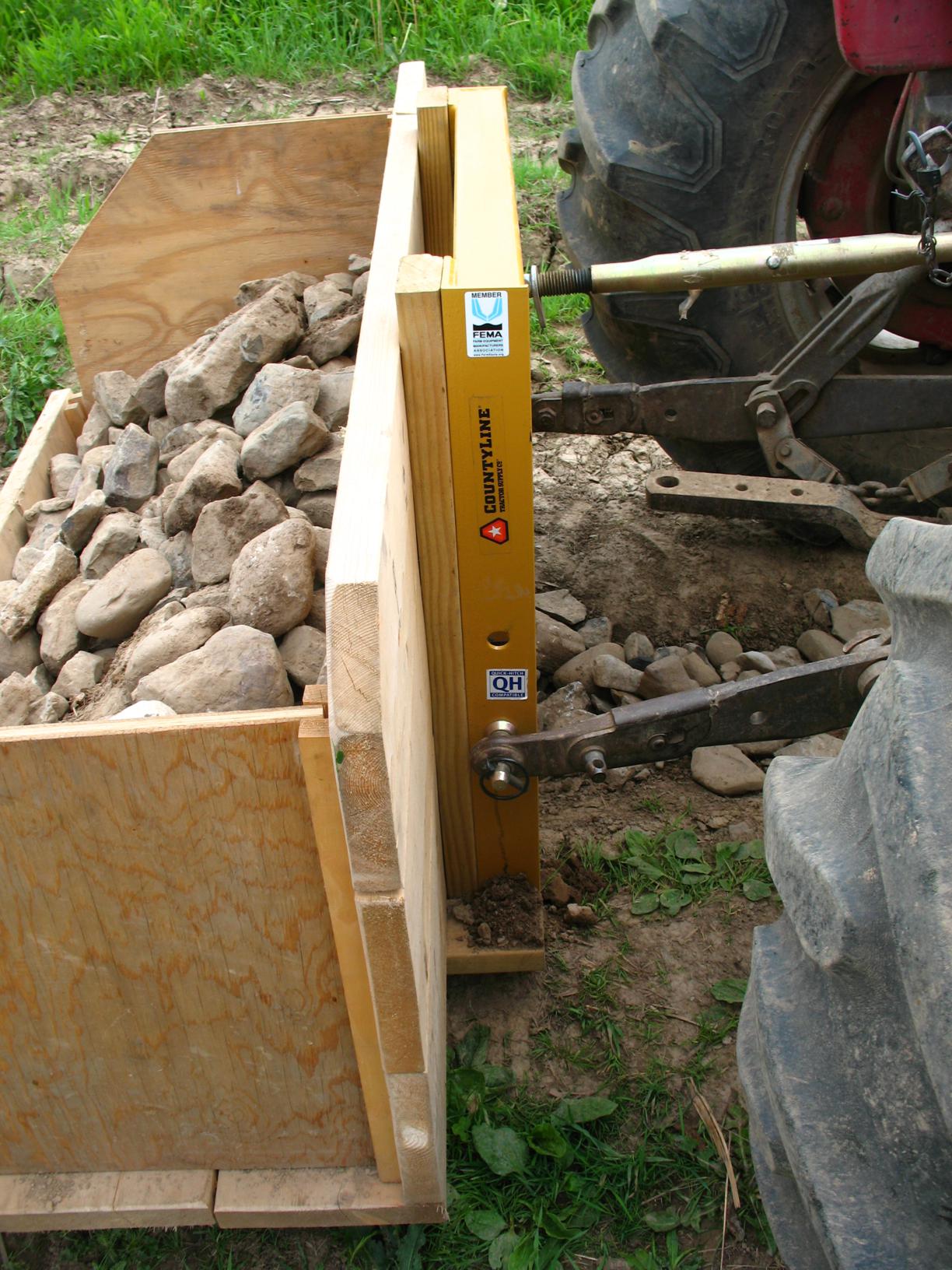
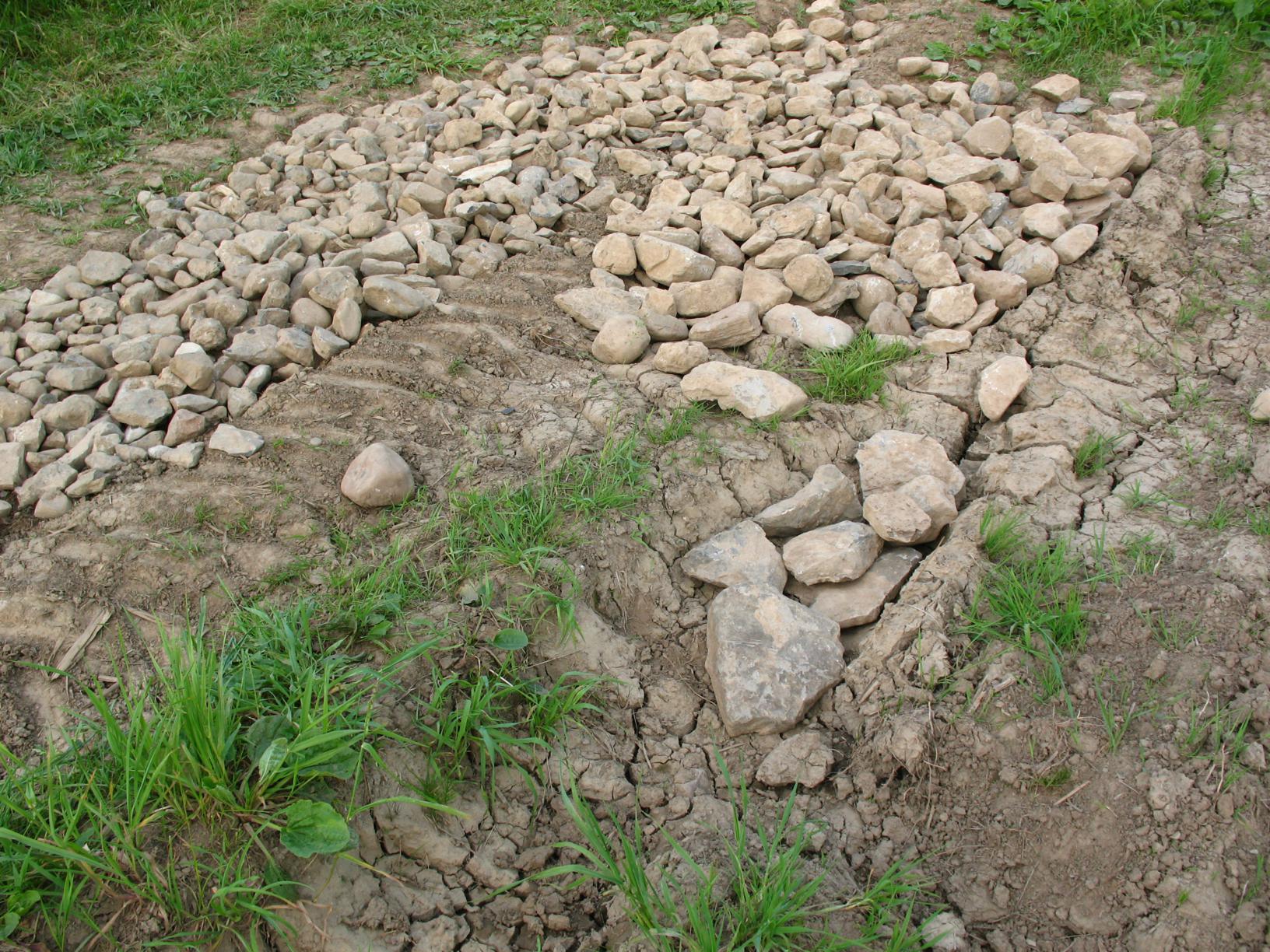
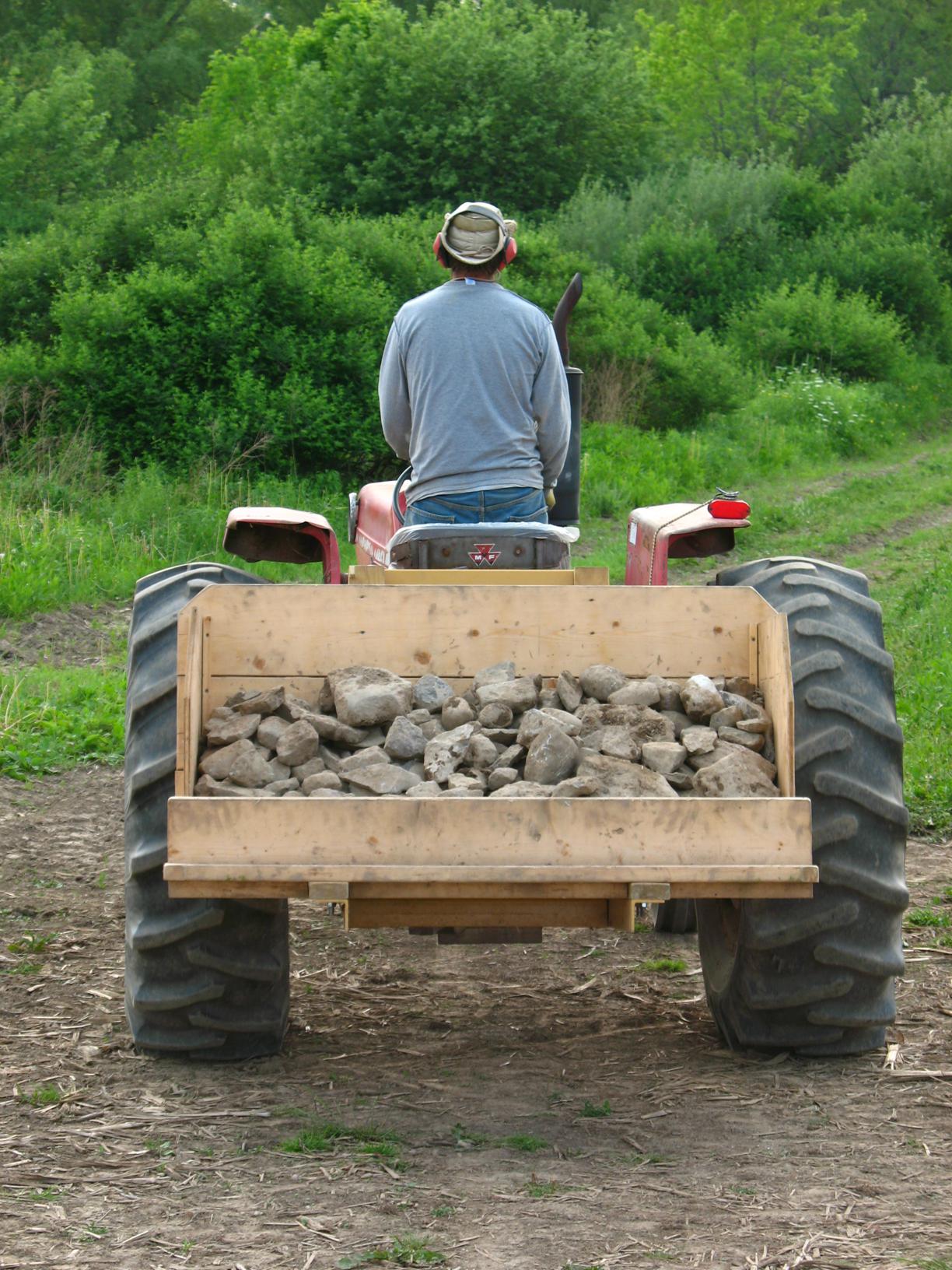
And see all the rocks above... well, we were supposed to be picking them out of the field, but we started finding fossils, which distracted us from the duties at hand!