The Lure of Seeds: Deciphering the Seed Catalog

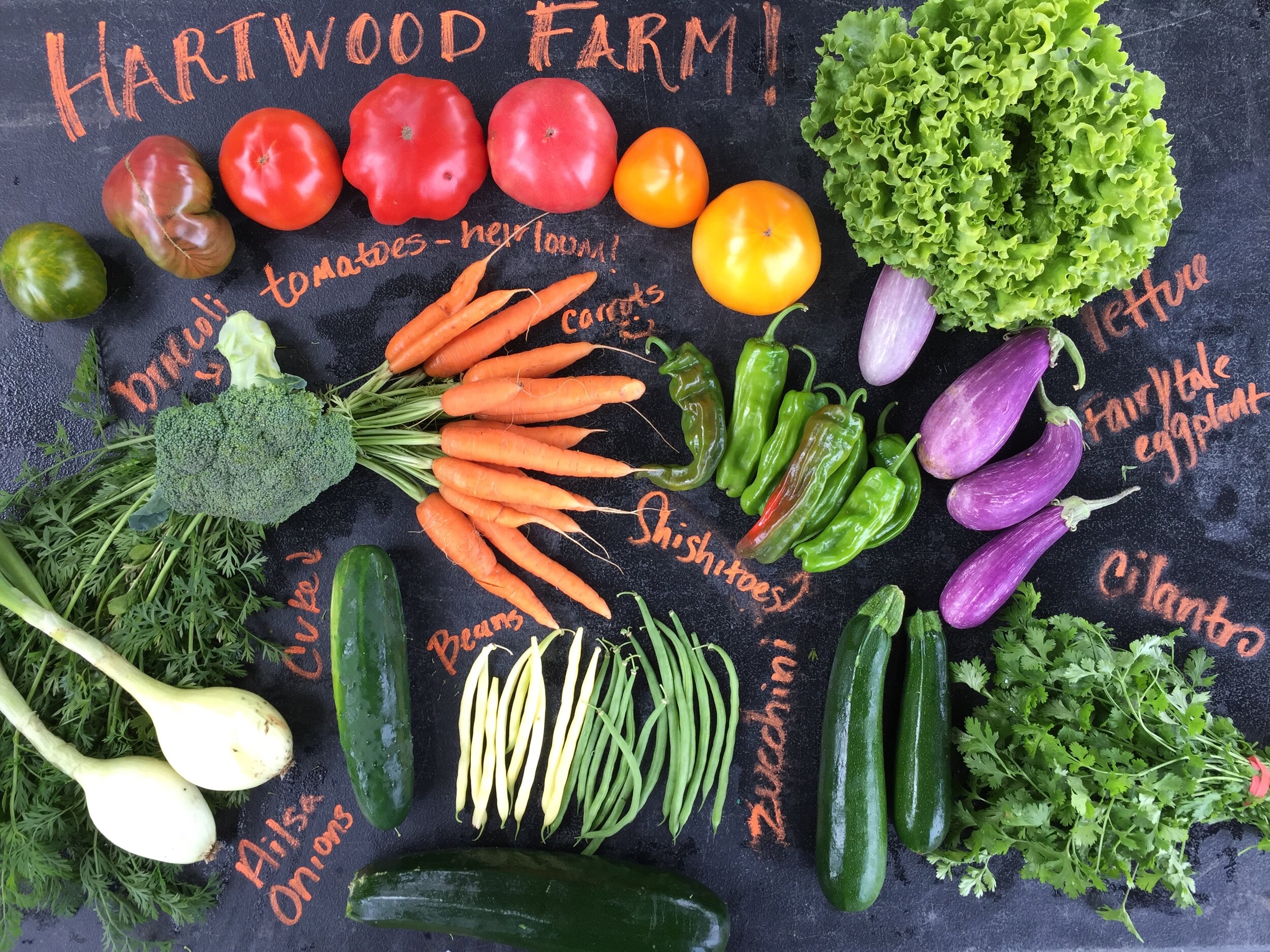
One of the hardest things about farming is avoiding buying too many amazing seeds at this time of the year. Outside, it’s gray and gross and cold, but inside are fantastic catalogs filled with amazing color and mouth-watering beauty.

ED86B306-23C9-4EE1-B5A4-75F7C5E7D3B4.jpg

I try to control myself (it gets insanely expensive fast if I don’t!), but a few things always slip though… this year that heirloom red Romano bean just wouldn’t stop staring at me. Or all the other sprouting broccolis and cauliflowers that proliferated in the catalogs (guess we weren’t the only ones who had a delicious trial with them last year!). What about that new speckled lettuce? Or fancy new carrot? Or sweeter Sugar Snaps? And I can’t even look at tomatoes anymore.

But after years of buying, growing, and trialing seeds, I’ve finally learned to take some of the descriptions with a grain of salt.

For instance, last year a particular winter squash a particular winter squash enticed us with it’s claim as “the squash of choice for the apocalypse.” Surely, we thought, this would be a great option for our at times extreme site in Fenner? And if the world ends, at least we’d have seeds from one crop.

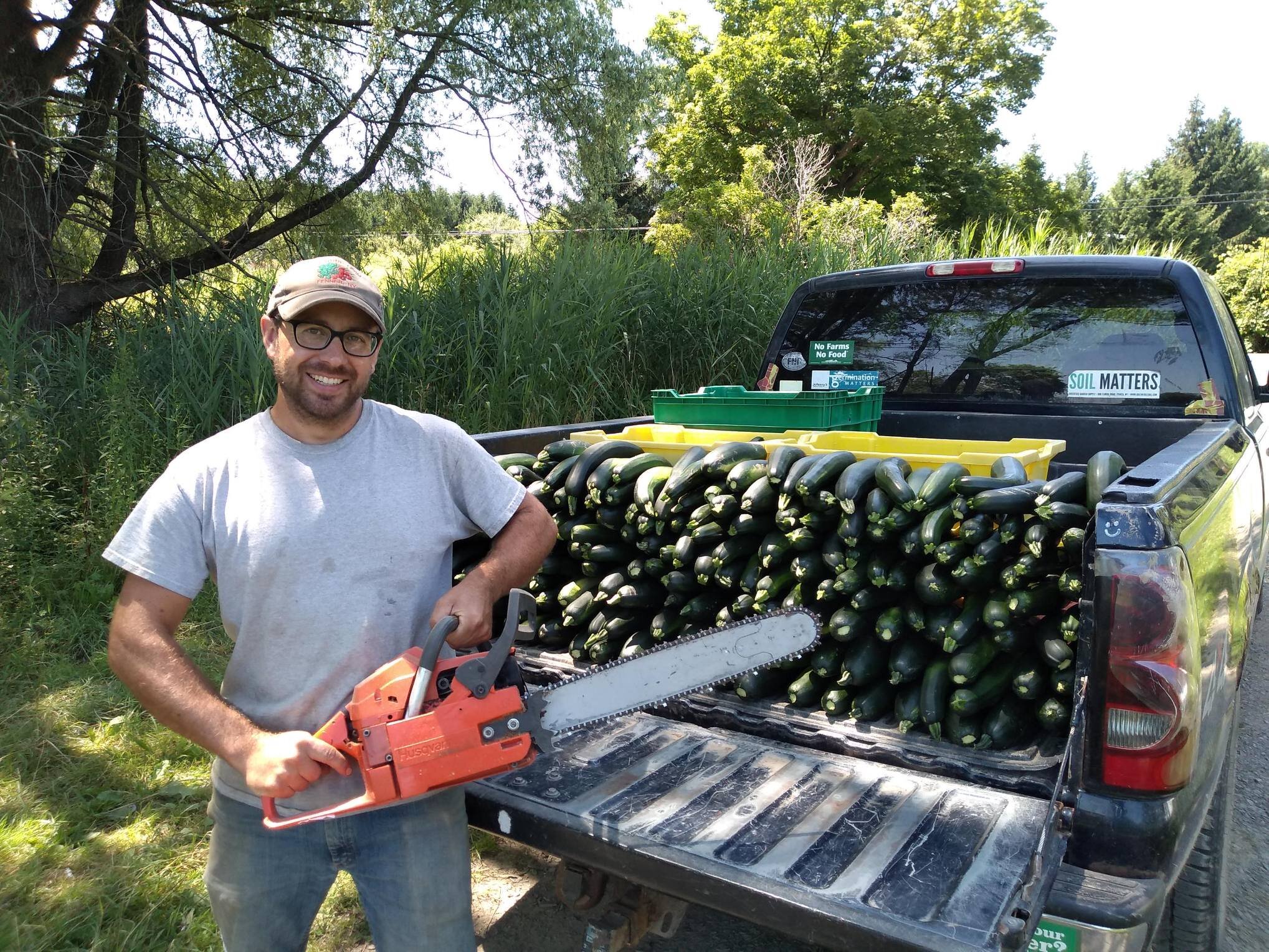
What we learned this description actually meant was a plant that easily grew 30 to 40 foot vines that reached across one field, across the road, and into the high tunnel where it attached itself to the eggplant and tomatoes. Each of these vines only held one fruit, which perfectly blended in with the grass, leading to multiple incidents involving mowers (mower-0, squash-2), tripping while carrying totes of tomatoes (a saucy scene), and at least five incidences of face planting, including one by the dog, at which point she savaged the offending squash (unsuccessfully—you need a power saw to cut into them). I will admit, their flavor is fabulous, but we aren’t growing those bad boys again unless the apocalypse really is nigh.
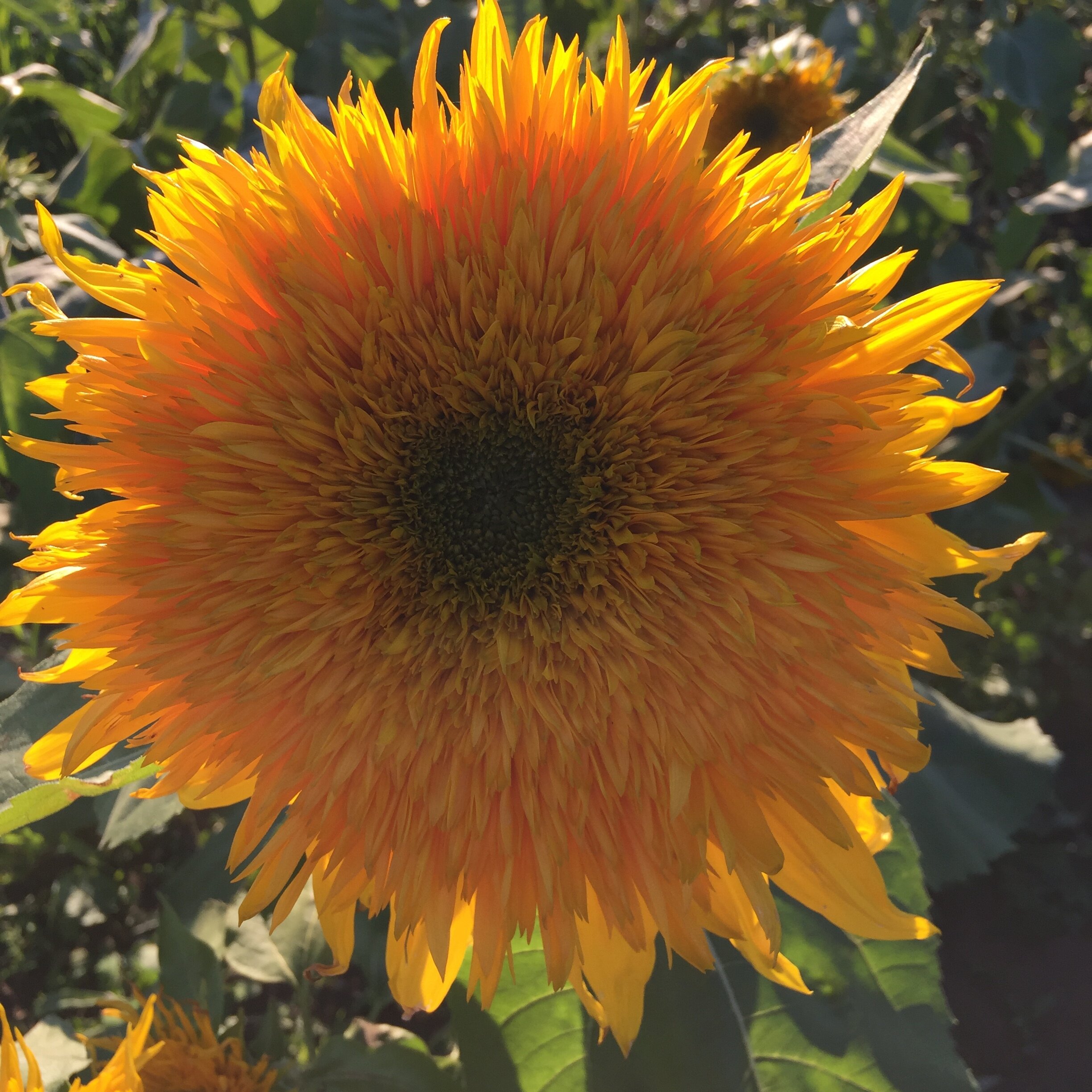
So in the interest of helping out fellow farmers and gardeners, here’s our guide to interpreting the real meaning of all that flowery language in your vegetable catalogs:

“Prolific.”

50/50 chance that you either get a nice decent supply of the crop, or that you get so much of the crop that your CSA members begin to threaten to shove it back where it came from or start a petition against it. (sorry, guys)

“Might self-seed.”

Definitely, for sure, and completely a 100% probability that everyone of the 400 million seeds created by this crop will come back and choke out all other living entities on that piece of ground for centuries. See: husk cherries, tomatillos, some tomatoes, and that unidentified flower that we grew in 2013 that never seemed to form a flower, yet somehow produced seedlings that keep regenerating today.

“Needs a long season.”

Won’t produce fruit north of the Mason Dixon line, but will grow big enough to smother out the hardworking and producing crops next to it, while convincing even the most hardened skeptic of a farmer that surely it will produce fruit next week, right? Aka, why we have sadly stopped trying to grow sweet potatoes up here in Fenner.

“Commercial standard.”

90% odds that it tastes like cardboard. See also:

“Better Flavor than other Varieties.”

We don’t want to emphasize this, but all our other varieties of this crop taste like cardboard.

“Fancy,” “Elegant,” or “Parisian.”

These fruits are going to be just enough smaller than other varieties to become a complete PITA to harvest, leading to fights among the crew over who has to pick them, which generally end up in comparison of hand sizes and forcing the smallest handed person into a harvest season of misery. (Matt always gets out of these, not that I’m bitter or anything!)

IMG_1794.JPG

“Dependable” or “Reliable” or “Easy.”

Even if you have a brown thumb, you think you should be able to grow this. You pour your heart and soul and sense of self-worth into it for a season, and then when it doesn’t do well for you, it plunges you into deep gardening despair. [Pro tip for home gardener or gardener wanna-be mental health: sometimes those who are writing the descriptions are writing for a totally different place than where you live—don’t take it too hard!]

“Longer harvest period”

You won’t have to check on these every ten minutes to get them picked when they are perfectly ripe. Hopefully this also means that your poor CSA members don’t have to eyeball another 4 pound zucchini!

“Bold” or “Intense Flavor.”

At least one child will cry after eating this. Or maybe an adult. They then won’t make eye contact with you anymore at the farmers market for fear of being asked if they want more of the veggie. [Farmer pro tip: if engaging in hot pepper eating contests, make sure you get the first bite at the pepper since the tips are often less spicy than the middle!]

“Unique.”

No one, including you as the grower, will have any idea on how to use this vegetable. You can tell people to “just saute it,” but inside you ask yourself: can they really? Is this crop even edible or just a sick ploy to entice you to buy more seeds? [Funny thing, a few winters ago I bought a frozen package of spinach at Wegmans (I know, even veggie farmers start jonesing for veggies mid-winter) and it was disgusting. I ended up spreading out the leaves to examine them and realized that the whole package, which likely means whole trailer loads of frozen “spinach” was actually Garden Dock, a super common weed that vaguely looks like spinach. I guess even the big guys make mistakes?.]

“Heavy” or “Dense.”

One or more people on the farm will throw out their back while harvesting this, and it’s likely going to be you. Make sure you update your workers compensation policy in advance. On the bright side, at least it’s better filling out an accident report that the box was too heavy, rather than filling out one about how someone tripped over a post-apocalyptic squash!

I hope this helps fuel your seed dreams—we can’t wait to get our tasty starts to summer planted now!

And for those who wonder, we buy most of our seed from High Mowing Seeds out of Vermont or Johnny’s Selected Seeds out of Maine. But other companies that we love and recommend include Fruition Seeds and Hudson Valley Seed in NY, Baker Creek in Missouri, and Fedco Seeds in Maine.

IMG_9772.JPG

Organics, Carbon Farming, and Cultivating Soil (and Values!)

Last weekend I was at the Northeast Organic Farming Association of NY’s annual winter conference. For those of you following along, I think my workshop went well (if you are interested in learning more about that, check out last week’s blog!). Besides attending some great workshops and meeting new folks at the CSA fair, this weekend got me energized about the season but also a bit mentally overwhelmed thinking about what to share from the weekend.
One thing I realized that we don’t really talk about much, both as individual farmers and as part of the larger farming community, is why we grow organically. To us, growing up with families gardening or homesteading, organic is just agriculture as we’ve always done it. [Okay, confession time: when I was a kid with horses growing up in Indiana, there were these gross flies that would lay eggs on their legs, and we were taught by the trainer to spray Raid—like nasty, toxic household Raid--on the horses to kill the flies. A) so not organic, B) so incredibly disgusting in hindsight, and C) I also totally sprayed Raid on my clothes as well to keep the flies off which can’t be good for a kid!]

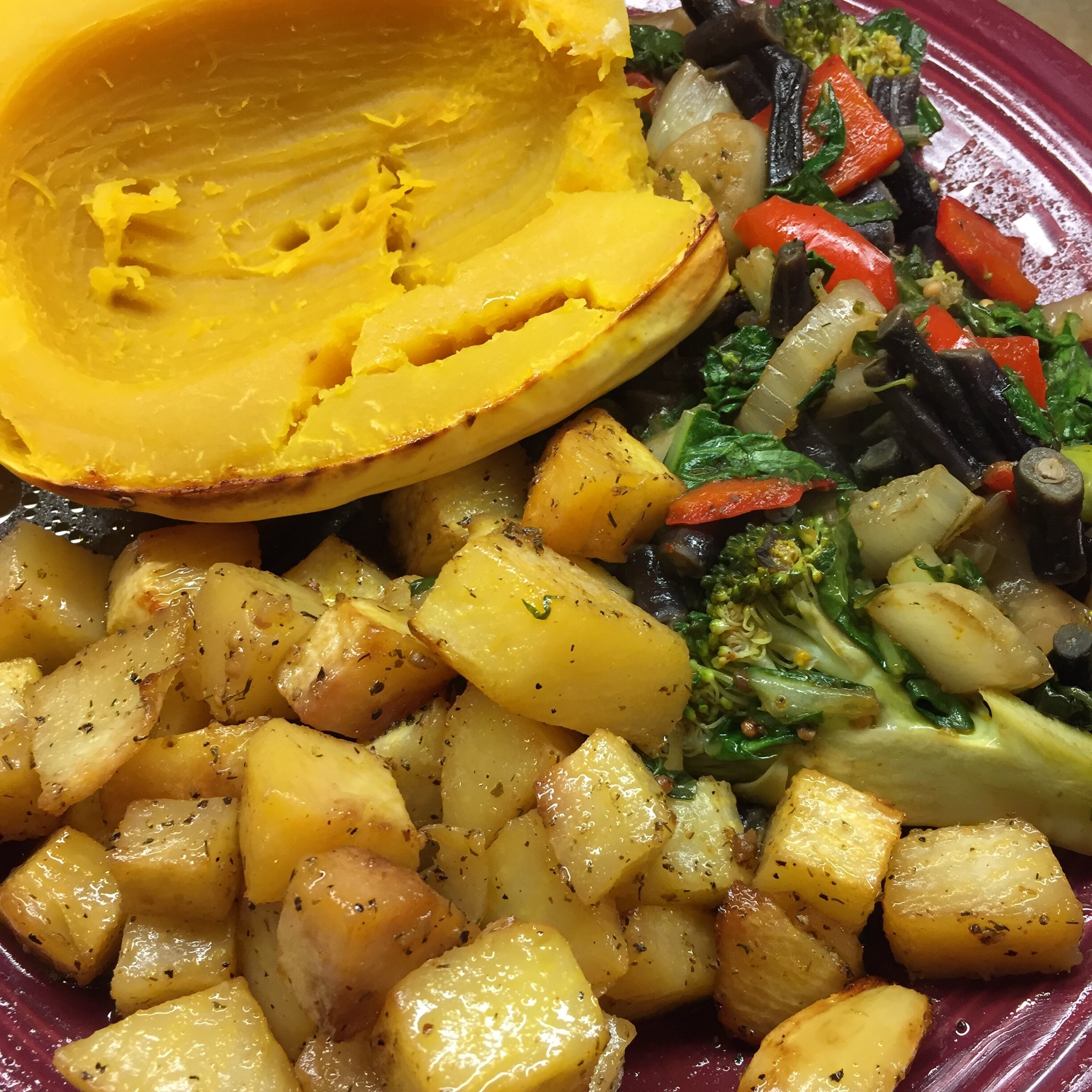
Besides my first organic carrots!

Besides my first organic carrots!

Aside from some childhood digressions, we are both just really used to farming how we do, so it struck me at the conference to learn that there are only 25,000 certified organic producers nationwide, with NY hosting the third largest number of certified farms—1108 farms with over $5000 in sales. 59 of these are in Madison County, which means Hartwood Farm is 1.7% of organic farms in our county. Those numbers don’t count all the other farms that aren’t certified organic but doing the good work of integrating greater sustainability into their operations, like using reduced tillage or intensive grazing or cover crops to improve soil health, all practices which also help soil better hold carbon out of the atmosphere.

This winter we’ve been watching the news from Australia’s fires in shock. Australia has the world’s most rapidly expanding organic or sustainably managed farm base, but all those farmers taking care of their ground can’t withstand the fires and the bigger planetary picture of rising temperatures.

This was part of a great keynote by Peter Jemison, a Heron Clan member of the Seneca Nation of Indians and manager of Ganondagan State Historic Site. Here, two Seneca members practice traditional land management strategies using fire on their lands.

This was part of a great keynote by Peter Jemison, a Heron Clan member of the Seneca Nation of Indians and manager of Ganondagan State Historic Site. Here, two Seneca members practice traditional land management strategies using fire on their lands.

This tragedy has been making us ask ourselves the hard questions about how our tiny piece of land and how we care for it has a place in the bigger global picture. Some days on the farm, it feels like we are doing a silly little thing, working so hard on our patch of ground and not making a dent in the bigger structural changes we want to be a part of. We race around all winter getting ready and then all spring planting, all summer harvesting, all fall cleaning up, cramming these tasks amid all the computer and outreach work, the deliveries and farmers markets and all the hundred tiny farm emergencies and dramas that pop up each day. There isn’t always the time for introspection or thinking or feeling connected to anything bigger.

And then other days we stop and realize that we are in this small group of people (farmers), and then an even smaller group within that (organic farmers) where we do have the power to make changes on the land.

The soil is resting and alive (and along with the trees, holding on to all its carbon), even under the snow…

The soil is resting and alive (and along with the trees, holding on to all its carbon), even under the snow…

What we strive for on our farm is to grow healthy and delicious produce for our members and customers, and get it to you all with help on how to use and enjoy it. We hope that this shared enjoyment of tasty meals can help build community and let families and folks have a space of simple relaxation, of chopping and heating and eating, where we don’t feel all the stress and anxiety that might be out there around us. (Sorry if this post is making you feel some of that stress, lol!)

And we want to do it in a way that leaves our farm, air, and water better off than when we started. As farmers, we are super nervous about the environment and about climate change, and about how challenges to production might impact the health and quality of our food and our land, and this is the area where we worry about doing enough. Is it “enough” to focus on feeding a few hundred families, or should we be doing something more? Does our work even make any impact in the bigger picture?

This field is one of our cover cropping successes—lots of great soil organic matter going back to feed the soil microbes!

This field is one of our cover cropping successes—lots of great soil organic matter going back to feed the soil microbes!

What’s really been interesting us recently is “carbon farming” or “regenerative farming,” two new phrases that are getting tossed around a lot to describe ways of land management that are quite well established in the sustainable ag community, but just now catching buzz more widely. The idea is that you can both not cause climate change by farming, as well as contribute to reducing climate change impact by increasing your land’s capacity to hold more carbon in its soil.

How carbon farming fits into a small farm like ours is by building up our soil organic matter percentage. More soil organic matter can hold on to more carbon in the soil, which keeps it out of the air. We can also increase vegetative cover on our ground—a covered ground releases less carbon into the air. There are still a lot of questions that science is working out—like how exactly the whole process works and what sort of impact different soil microbes have, but there does seem to be potential in carbon farming for helping mitigate climate change.

Healthy, covered soil stays in place when we get the crazy rainstorms! And keeps the pond water clean…

Healthy, covered soil stays in place when we get the crazy rainstorms! And keeps the pond water clean…

On our farm, we’ve implemented these practices largely over five years by building up enough crop fields that each season, half of our production areas are not used and planted to long season cover crops. These covers help us break up weed and disease cycles, while increasing the soil organic matter and carbon trapping capacity. Last year (2019) was the first year we started using fields that had so much time out of production, and it was amazing how much more fertility those areas had. This year we are continuing on this work, while moving on to the next phase of trying to source more organic plant mulches to further cover the soil and help boost carbon capture.

Carbon farming is definitely a win-win situation, but for the challenge of doing it (if it were cheap or easy, everyone would already be all in on it!). While all the practices help improve our soil and crops in quantity and quality, they also take a lot more time and money to manage, and they aren’t a quick fix (it literally took five years to see the first results). In a lot of ways, carbon farming is like organic farming—the end result is good for a lot of people and agro-ecological systems, but our societal’s economic system isn’t really structured to reward this slow path.

Like soil microbes, Beulah enjoys grazing on cover crops in the wintertime. This was just last week in our resting high tunnel!

Like soil microbes, Beulah enjoys grazing on cover crops in the wintertime. This was just last week in our resting high tunnel!

I’m a dork and like to relax by doing back of the napkin calculations, trying to cost out things like our farm’s impact on community food supply, or how many calories we grow out relative to calories inputted to run our farm, or the exact weight of plastic we use in our production per person we serve (check back in the next month for this followup, since I know a lot of folks out there are wondering the same!). The answers on these three are: a lot of people if you count based on value or nutrition over calories; about even since except for potatoes, veggies are so low calorie; and on the plastic, both more than I want but way less than I thought!

What frustrates me on the back of these napkins and in the rhetoric from the world around us is that we measure efficiency and economic viability against standards that don’t take into account the environment or communities or all sorts of other external and internal values. Even putting aside organics, a farmer with a thousand acres running a grass-fed regenerative beef operation on paper might appear less efficient next to a thousand acre farm growing corn. The beef farm needs more people to manage things, gets less calories an acre, and has to deal with the costly and expensive hassle of a long processing chain, while the corn producer has a more efficient system set up to handle their product, right up to commodity subsidies.

Yet there are all sorts of intangibles—from locking up carbon in the pastures to building up soil through intensive grazing, that don’t show up in the our current system’s accounting of the two operations. It costs a bit more to do things “right” by the environment, and our country has historically measured value, efficiency, and productivity by terms that don’t put much weight on environmental or climatic quality. When we build soil or trap carbon as small farmers, a lot of these costs are almost considered worthless in economic terms (except for their crop yield increases).

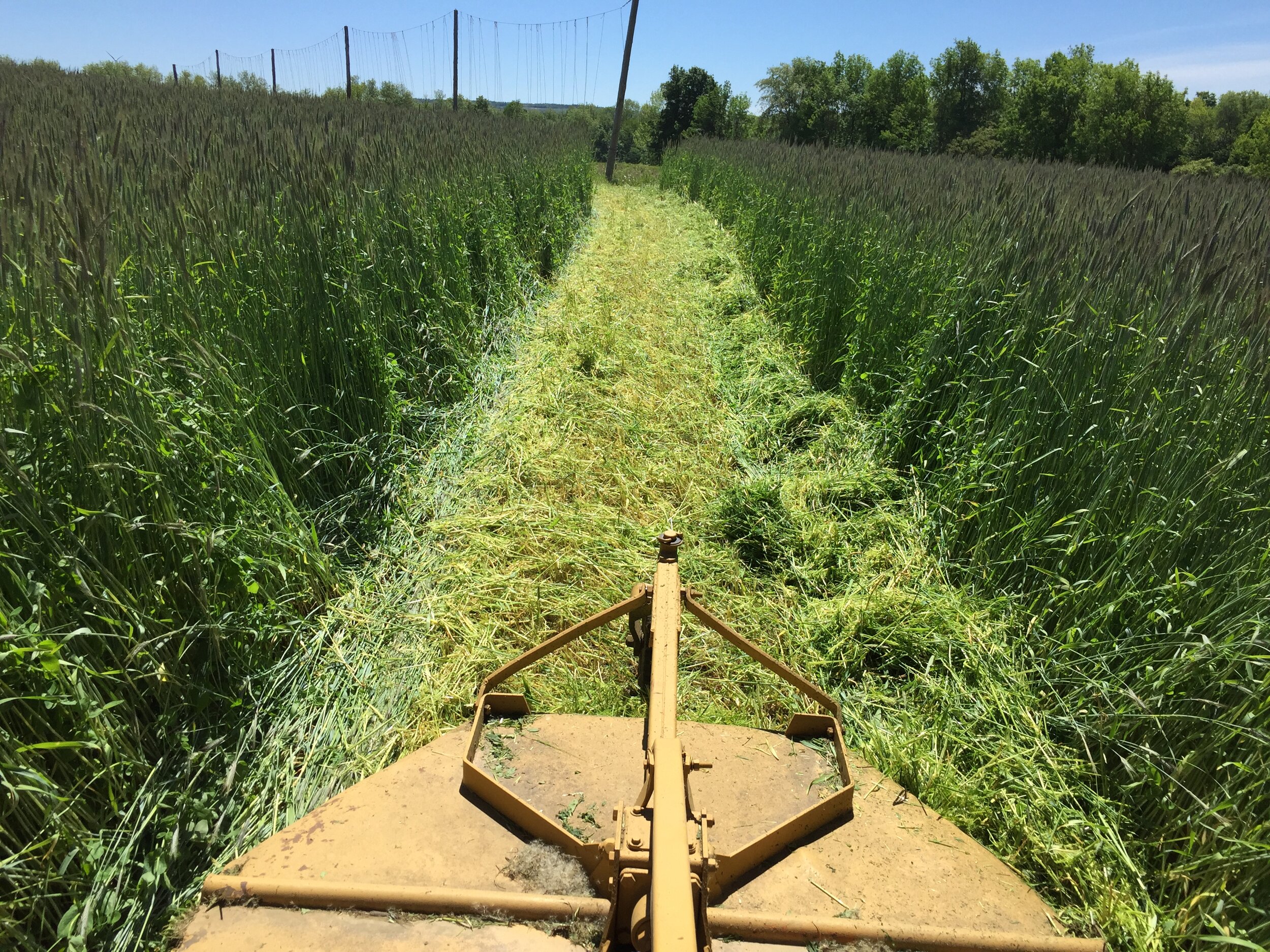
More rocking cover crops—in 2014, this field only grew rye that reached my knee. In 2019, it was over my head while I was sitting on the tractor!

More rocking cover crops—in 2014, this field only grew rye that reached my knee. In 2019, it was over my head while I was sitting on the tractor!

Getting a weekend away, meeting new and old farmer friends, and getting inspired to kick off a new growing season really has helped me feel re-energized to keep doing what we are doing to build soil and trap carbon, all while producing delicious veggies.

I don’t think we are alone as a farm, a local business, or a household in these decisions. How do you find the balance between values and efficiency? And what do you value most in your food or farms? We’d love to hear your way of thinking about the question!

Now I’m off to plan out our cover cropping strategy for 2020, and pick out the last of our seeds. Thanks so much for reading, and stay warm out there!

Okay, sometimes last year there were too many delicious veggies :)

Okay, sometimes last year there were too many delicious veggies :)

Improving the Farm

This week I’ve taken a detour from our normal winter planning activities to work on a presentation for the Northeast Organic Farming Association of NY’s annual conference, which is happening this weekend in Syracuse, NY!

PS—local folks, you can come see us as part of the Farm Share Fair, happening on Saturday from 2:30 to 5:30. We’ll be there with other local CSA farms, as well as chefs demoing some delicious local food prep!

I’m talking about “In-Season Troubleshooting on a Vegetable Farm,” seeing as dealing with trouble seems to be my main skill set (or maybe it’s just we have the bad luck to get lots of opportunities to deal with things going wrong?).

Either way, I’ve come to the conclusion that the psychologically best way to get jazzed about the fresh, new growing season that is about to start is definitely not by looking through years of your photos to pick out all of the ones that are of disasters and farm troubles. Yes, I’m one of those weirdos that takes photos of all the bad things, and they hide there in our hard drive waiting to pop out at you between all the innocent gorgeous photos of shares and fields.

Remember when I was bit by a brown recluse? Yup, I stumbled across that scene in there in all its graphic glory (ick). How about when our tractor engine blew up? Check. When it rained 4 inches and everything flooded? Got it (only which time, since that happened three years running?). Deer damage, dead chickens, insect damage, weeds, if something was going wrong, I probably took a photo of it like some sort of demented disaster photojournalist.

After a few weeks digging into depressing pictures, I felt pretty down these past few days, asking myself, “Why am I doing this anyway?”

But yesterday, as I started sliding everything into the PowerPoint, patterns started showing up. We may have bad luck, but we do learn from our mistakes. We may have bad weather, but we have fundamentally shifted our farming systems bit by bit to deal with the nasty storms. We are nowhere near farming perfection (but is anyone?), and we don’t have the capital budget to make a few of the upgrades we need, but setting out these farm troubles in order, there emerges a steady improvement trend.

For instance, check out this early photo of our potatoes, when we were growing varieties less resistant to leaf hopper damage:

Picture1.jpg

The variety on the left has no resistance, the one on the right a little bit. This was the year when we started thinking about changing varieties up.

Now look at a more recent crop after we switched to resistant varieties grown in organic systems (so they are bred to be used to bug pressure):

Picture2.jpg

In addition to sturdier varieties, we now plant larger pieces of seed potato at wider spacing, which makes the plants healthier and gives them more space for airflow, to reduce disease.

We aren’t perfect potato growers, and how we produce them is totally different than we have on any other farms in the past, but we are certainly better potato producers for the challenges of our site (and that’s why we are able to have them in the CSA share more, when at first we couldn’t afford to grow as many!).

Here’s another fun contrast—this picture is our second season in Idaho (all our fields are named after states—if you hear us at market sounding like we are talking about fun vacations or trans-continental trips, it’s likely just us talking about farm chores and where to harvest things!). Here you can see that the soil is thin, rough, and completely covered with nasty husk cherry seedlings (they can become weeds super easily):

Picture3.jpg

That picture is between 12 and 14 days since tilling and seeding (so less then two weeks without weeding!).

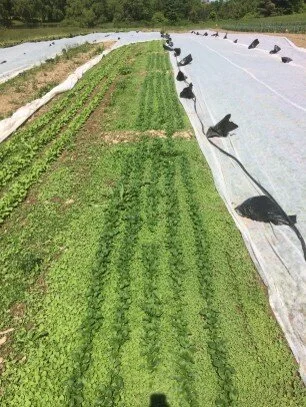
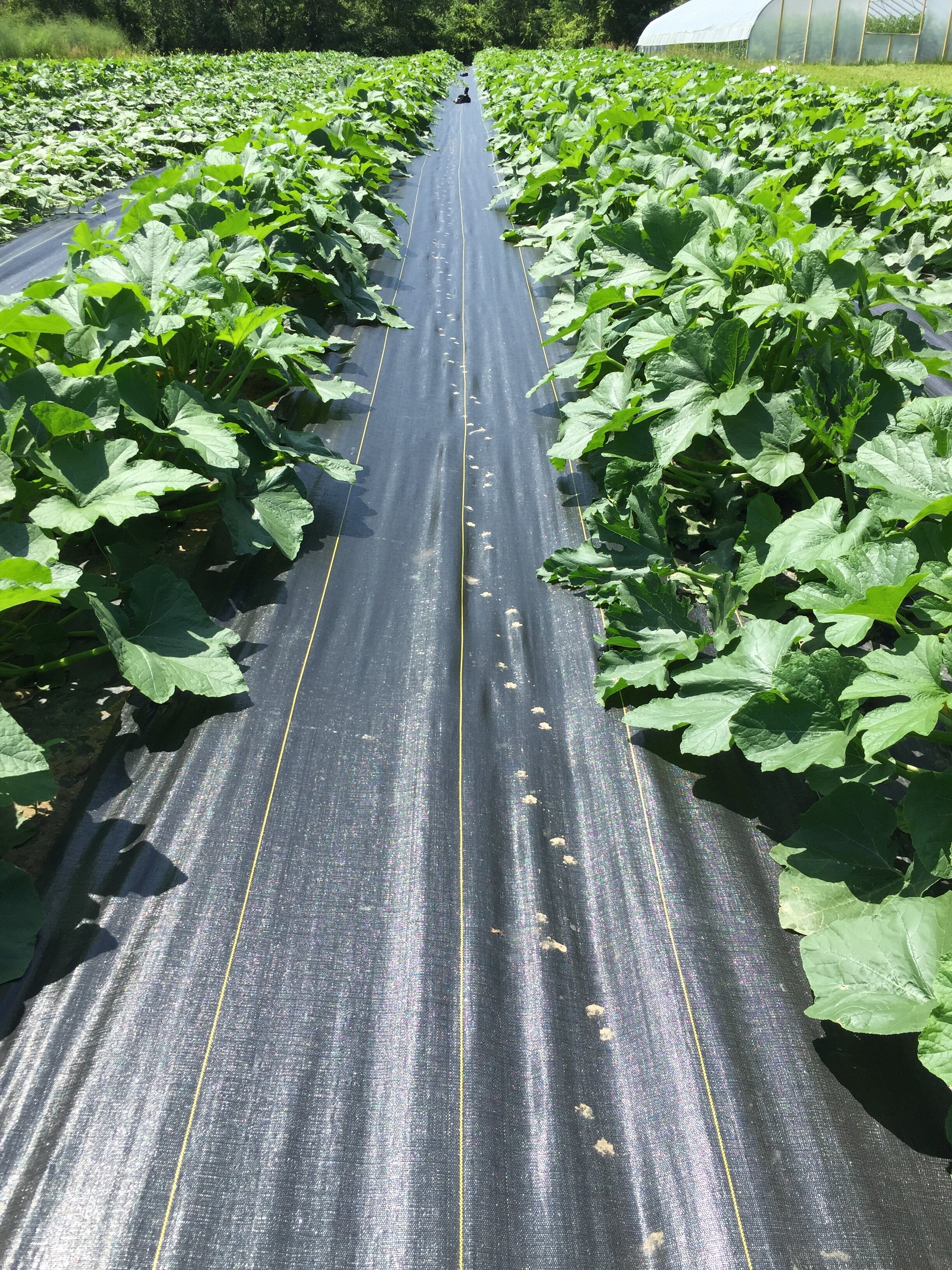
Since we now know that all the intense spring rains make for big flushes of weed carpets, we started using tarps in earnest last summer. The tarps smother the first round of weeds that germinate and can help keep nutrients from leaching out of the soil in heavy rains. Check out how nice they look, and this picture is after a month without any weeding:

Picture4.jpg

My brother is a computer programmer, and in some of that field they use “agile” management, which I like to think about when I get frustrated (or as in the last week, discouraged) on the farm. When you work on software, you start with a “minimal viable product,” and then every week or two, you complete another iteration round of work on it, making it just a little bit better. They are accepting that they won’t be perfect at first, and just structuring work to focus on being better, not perfection.

As farmers, even as flexible, diversified farmers, we have a tendency to have our whole season planned out and set up in one shot, which means when things go wrong, it can sometimes feel like the whole season is a disaster.

One of my realizations this week is that we need to keep focusing on shifting to a mindset where our initial summer crop plan is the minimum viable product, but one that leaves space for us to do things a little better inside the summer, rather than making all sorts of big changes all in one clump in the winter.

Maybe our first lettuce planting is lousy. But we have 16 more that we can do better with. Maybe the weeds get ahead of us in one field. Rather than beating ourselves up, we just have a chance to do better and stay on top of them in the other eight fields.

And now, I’m going back to finish getting ready for tomorrow’s presentation, and looking at a few of the photos of all the good things that go right on the farm!

A Farm Year in Pictures!

I’m not generally one for New Year’s resolutions (okay, maybe I am, but my new year feels like it starts in March when we fire up the greenhouse!). But this year, I do have a resolution that I’m gunning for—blogging and newsletter-ing more for the farm!

The thing is, I write a LOT about life on the farm (like almost every day I write something farming-related), but I don’t usually post them. Maybe it’s concern that everyone out there is already so inundated by words and emails, that no one has time for more words. And some is that internal editor that doesn’t want to share our farming good news (which can feel like bragging) or our challenges (which feels like complaining). When I can’t decide what to do, I just post a picture and don’t dig in to what goes on behind the photo.

So that’s my resolution this year—to blog more about the fun and adventures that are farming and eating around here, in all their joy and challenge.

And I’m kicking off this resolution with pictures celebrating the pluses and minuses of 2019 (look, I’m hedging on my resolution already by cheating with photos :) I hope you all have a happy and healthy 2020!