Building the Mobile Coop and the Hens Arriving!

We are excited to have animals on the farm this year!  The first arrivals came Tuesday--100 pullets that should start their laying hen careers in the next few weeks.  We are pasturing the birds using a mobile coop and flexinet electric netting (which theoretically keeps predators out). This year we went with nearly full grown birds (rather than raising them from chicks) since we don't really have good indoor facilities to brood baby birds in.  We plan on getting chicks this upcoming fall to brood over winter for next year's addition to the flock.

Matt's been busy building the coop this past week.  We had hoped to use an old hay wagon base, but couldn't find any old bases near us, so we decided to just run it on skids.  The skids work fine and it moves easily with our tractor, but we still would like to get our next coop up on wheels.

Here's a close up of one of the skids (a bolted together 2x12 and 2x8) and the notched 4x4 floor joist.


It's pretty cozy for the number of birds that we have, but we felt like this would work well since it's just a seasonal pasture coop.

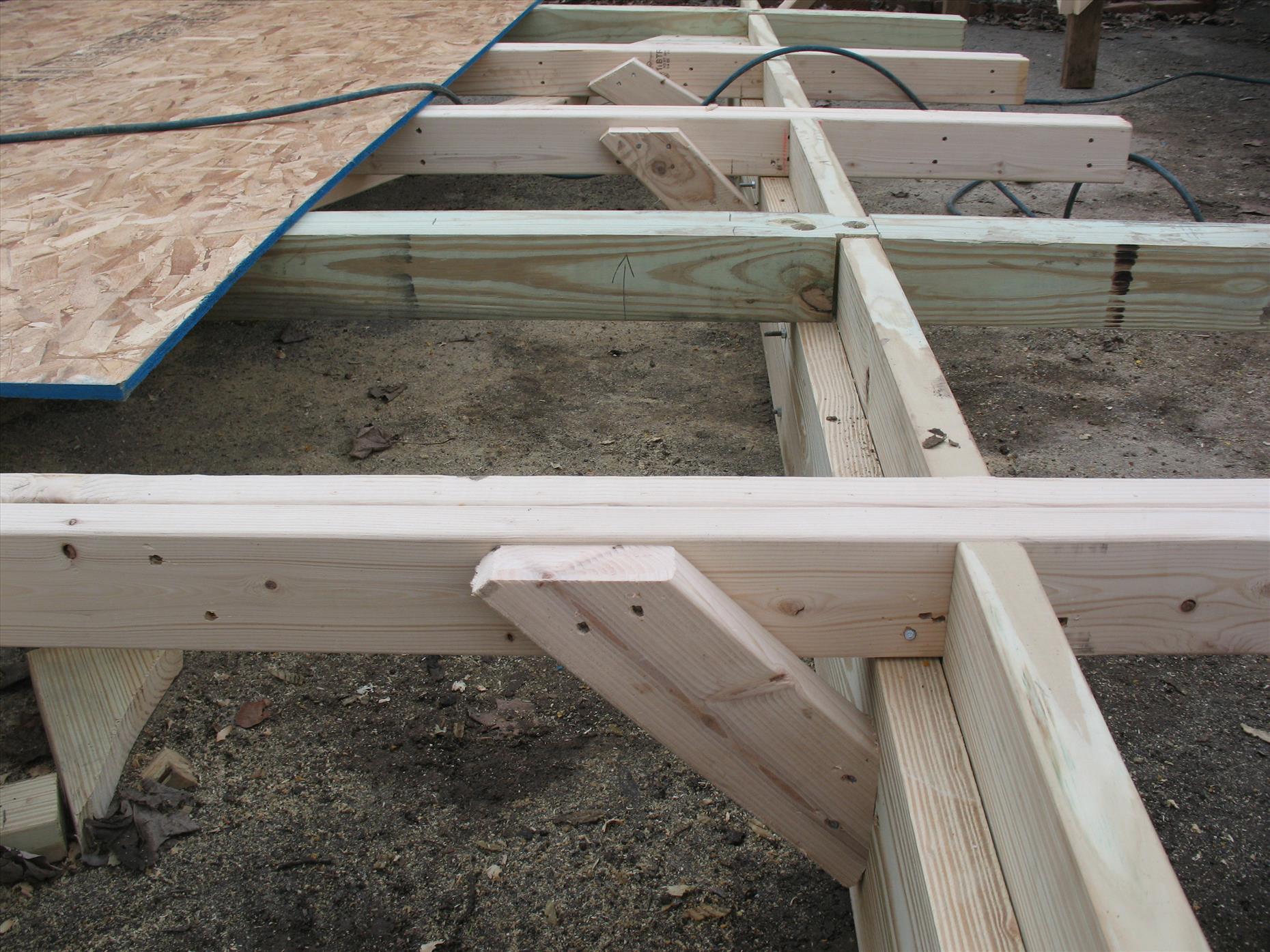
Half of the completed base--with skids, floor joists, and cross bracing.

Close up on some of the diagonal bracing.

More bracing!  Since this will be dragged over rough ground, we wanted to make sure the base platform stayed stable.


We needed it to be heavy enough to be stable in the Fenner wind, but light enough to move around easily.  The solid base should anchor it (in combination with some heavy duty anchors for storms), and the greenhouse top has very little weight.

Attaching the frame bents and exterior plywood sheathing (to deter larger predators).


The sides are 3/8" plywood to help deter predators.  We based our plan on this great Blackbird Organics design we found online:  http://theruminant.ca/2012/03/30/farm-glance-blackbird-organics-mobile-chicken-fortress/  The one change we made was to add the base for better wind resistance and to keep out any digging predators.  We've seen fox, coyote, racoons, random dogs, and mink on the farm, so we wanted to protect our hens as much as we can.

Arlo inspects the finished base.


Here you can see the boxes before the swinging access doors were added.  We have 24 boxes for 100 birds, but can add another row if this seems to be too few.  The openings all have 1/2" hardware fabric stapled over them against mink and weasels.

Adding in the nest boxes (some are different sized since we mostly used scraps of wood).

Door end with hardware fabric added to the openings (to deter the mink we've seen around the farm).


Here's a look at the finished interior.  It's mostly just a place for the hens to sleep and lay eggs, since they will be busy outside eating grass most of the day.  We shortly moved all these waterers up onto blocks so they stay clean.
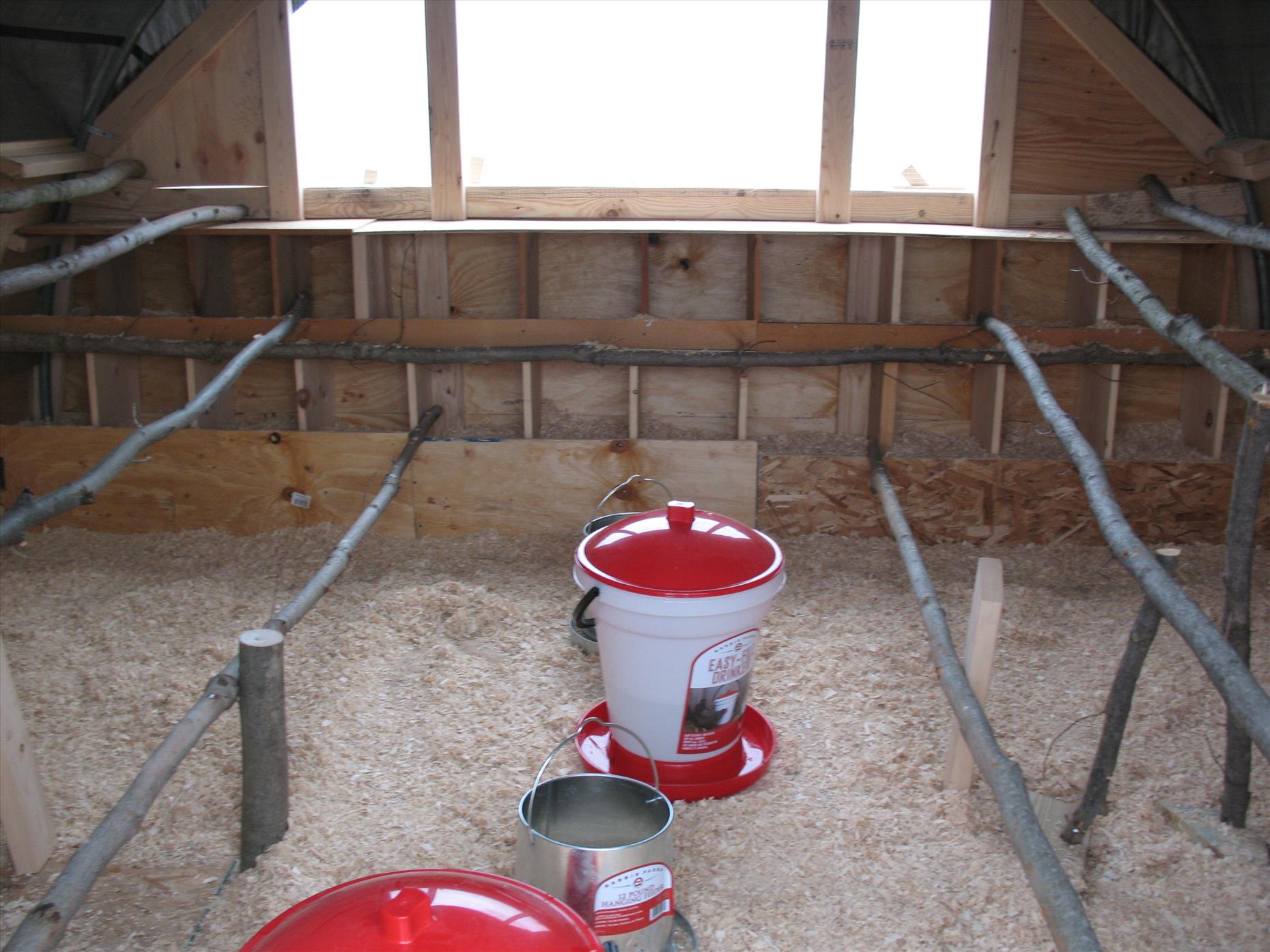
Roosts ready for the move in day!


This is the transit box Matt built to go get them. We kept it fairly small so that they would be close to each other and not slide around in transit.  It worked really well, and the birds seemed fine upon opening--they were snug and warm despite the icky day!

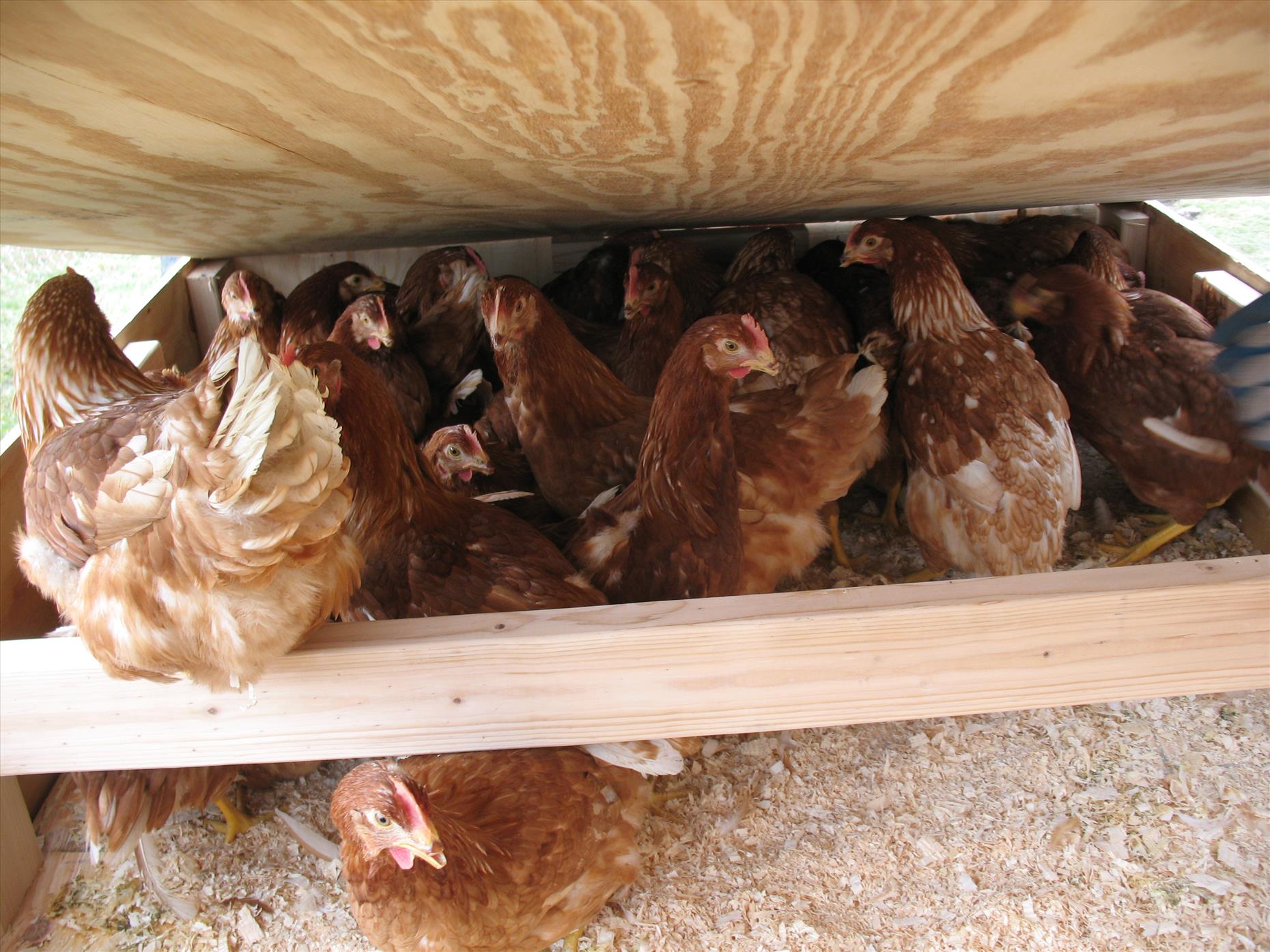
Coming out of their transit crate (it's compact so that the birds don't slide around or get on top and crush each other!).

Opening up the crate--the hens are not sure about this new home.

Empty transit crate--it was two 12" levels, with each holding 50 birds.


The chickens spent their first afternoon recovering from their busy day in the coop, figuring out things like how to roost and bonding with their new home.
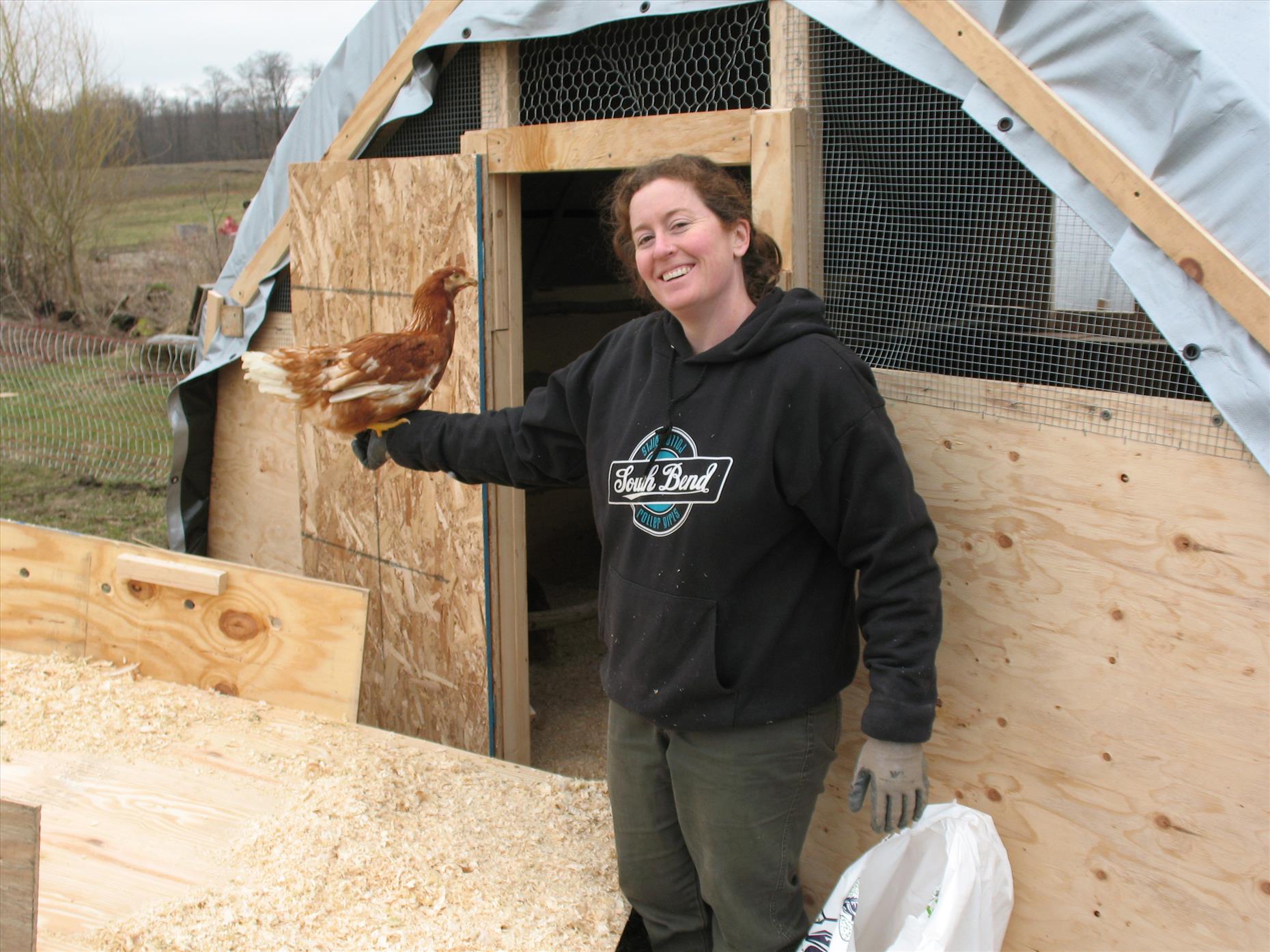
Making friends


Here's a picture of the completed coop.  We used a silver reflective tarp, thinking that would keep things cooler.  In this picture, the rain is keeping the hens from venturing out.  They've been pretty hilarious in the yard as they learn how to run, eat grass and bugs, and discover their wings.

The final shot of tarp roof, with rain curtains over the hardware fabric.  We just need to paint the exposed wood and let the hens settle into their new home and fields!


A few intrepid ladies are venturing out in the rain to check out other food options.  We hope the rain will break soon so the grass starts growing faster for them!  We should have eggs starting in a couple of weeks, once the layers start getting some spring grass!  We'll have more pictures of the hen exploits on our Facebook page (Hartwood Farm).
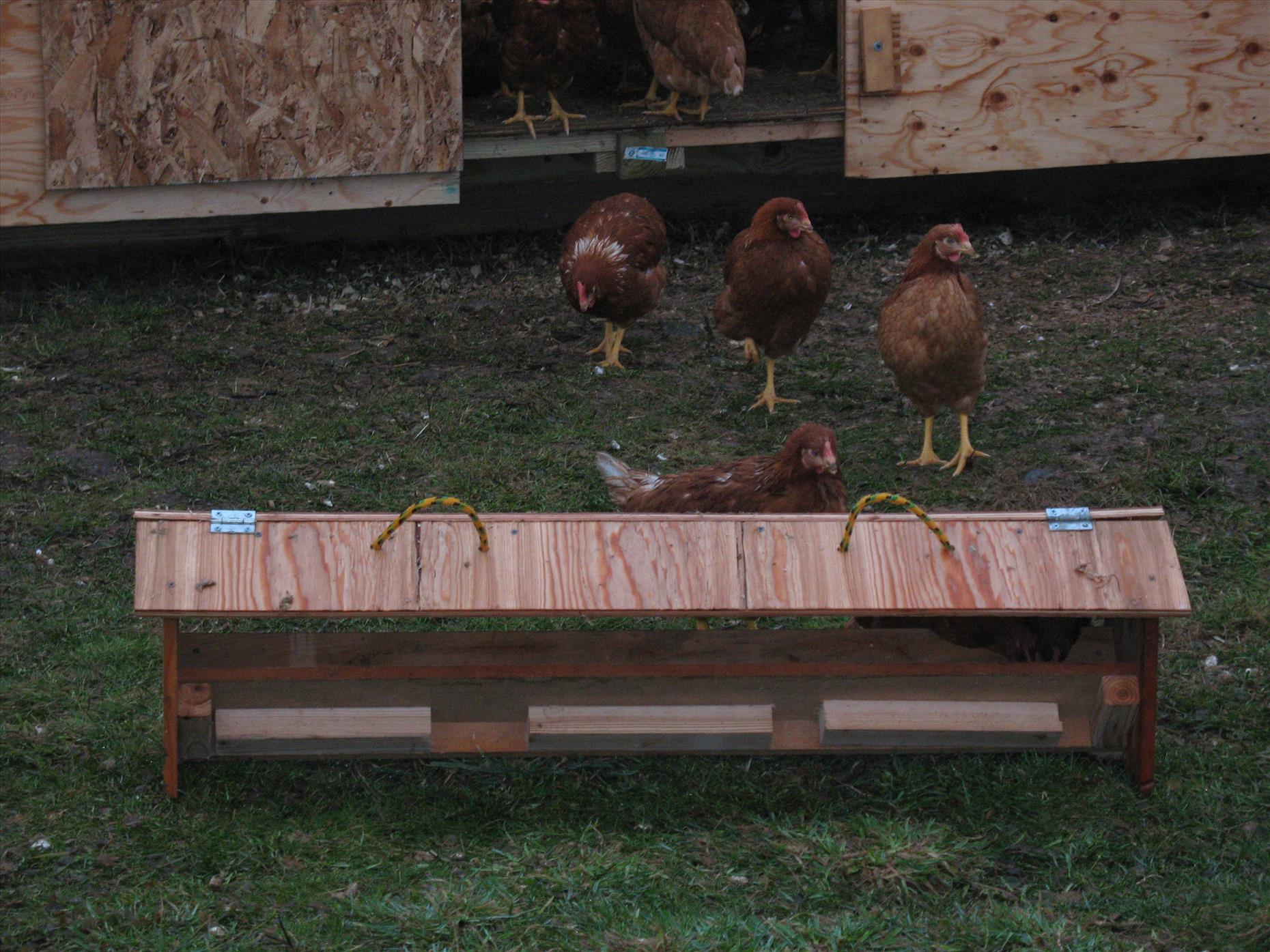
One of the field feeders Matt is experimenting with.  So far it seems to work well.

Seed Starting Days!

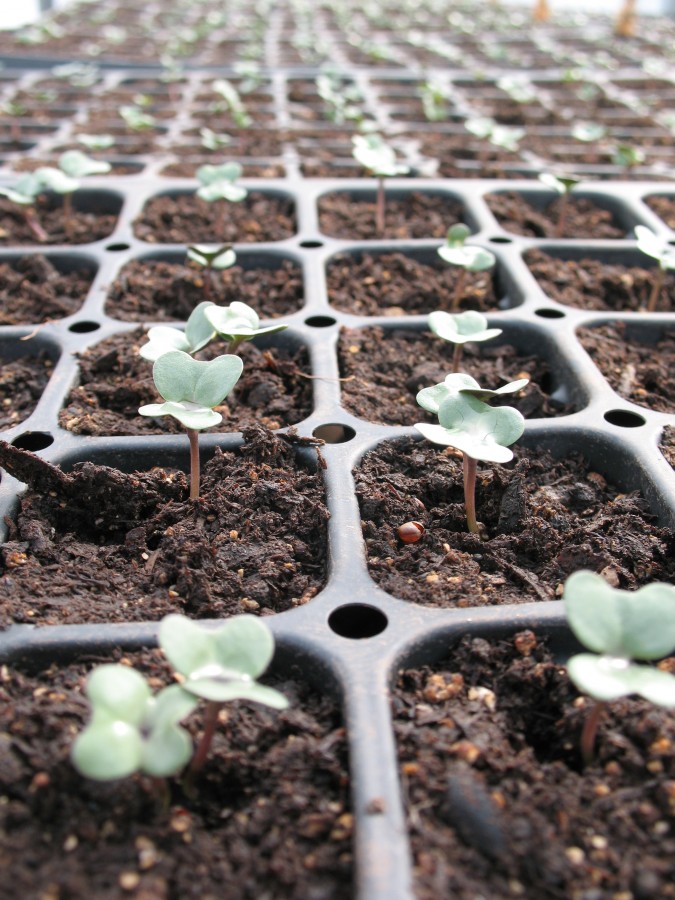
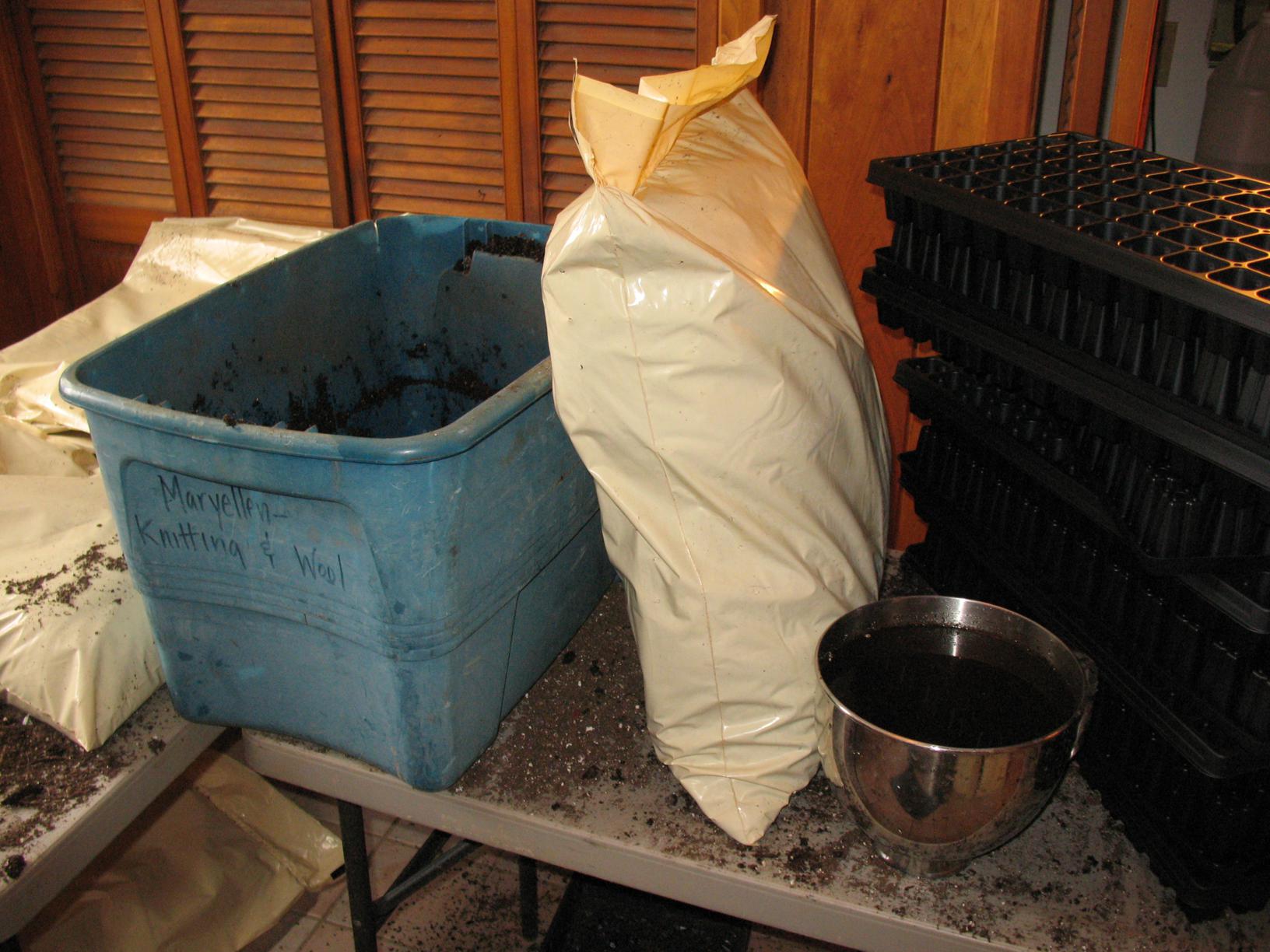
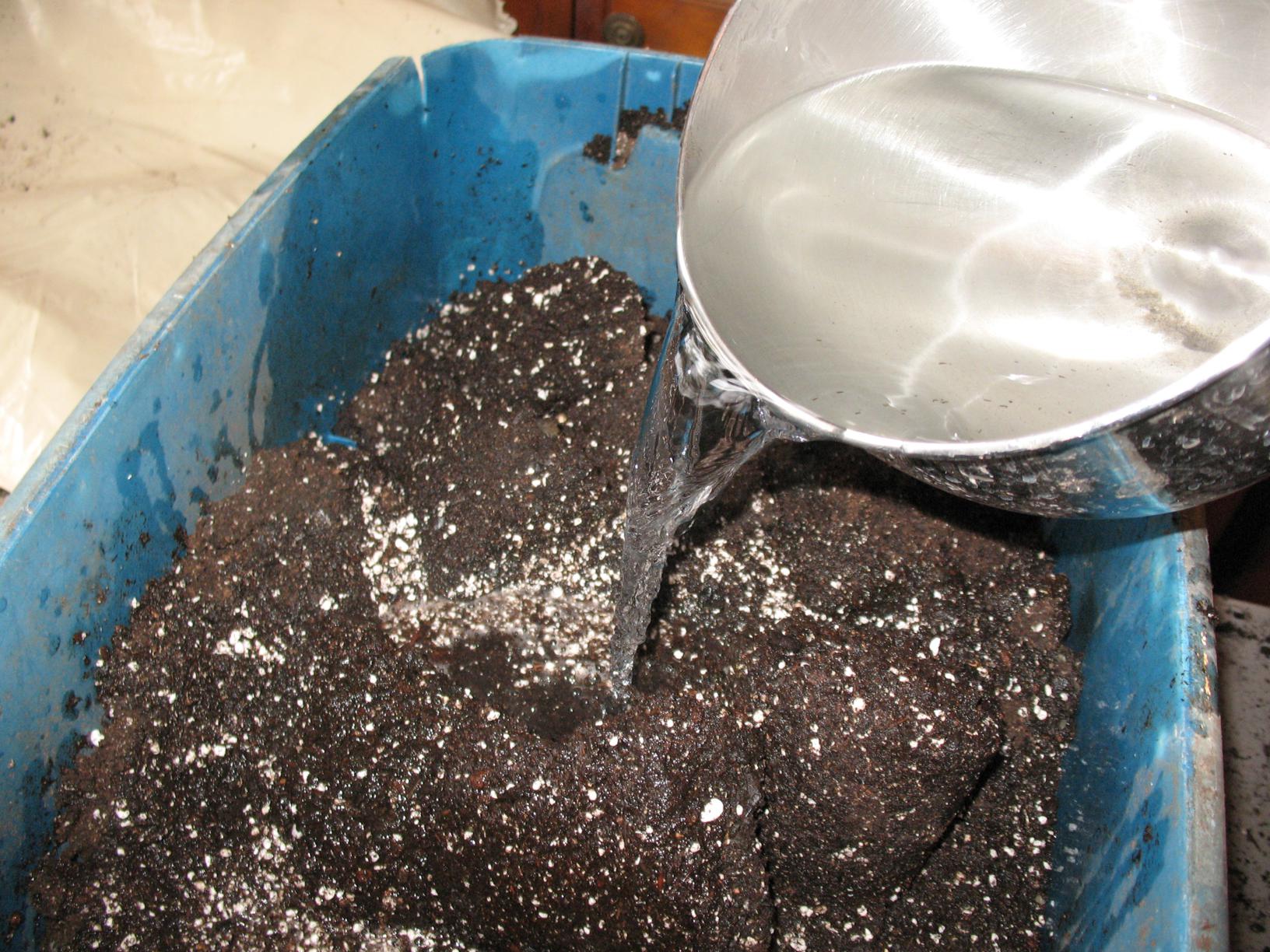
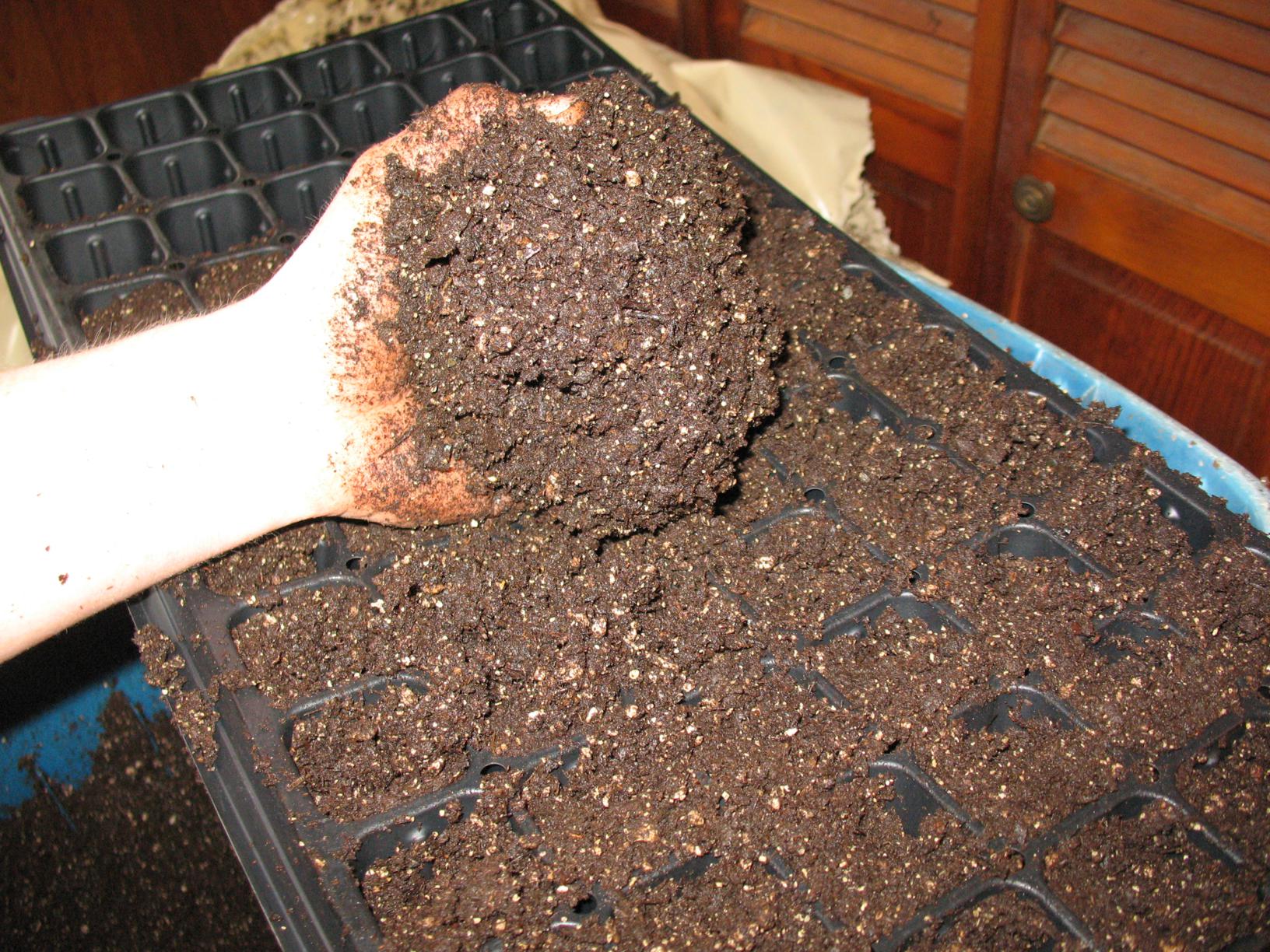
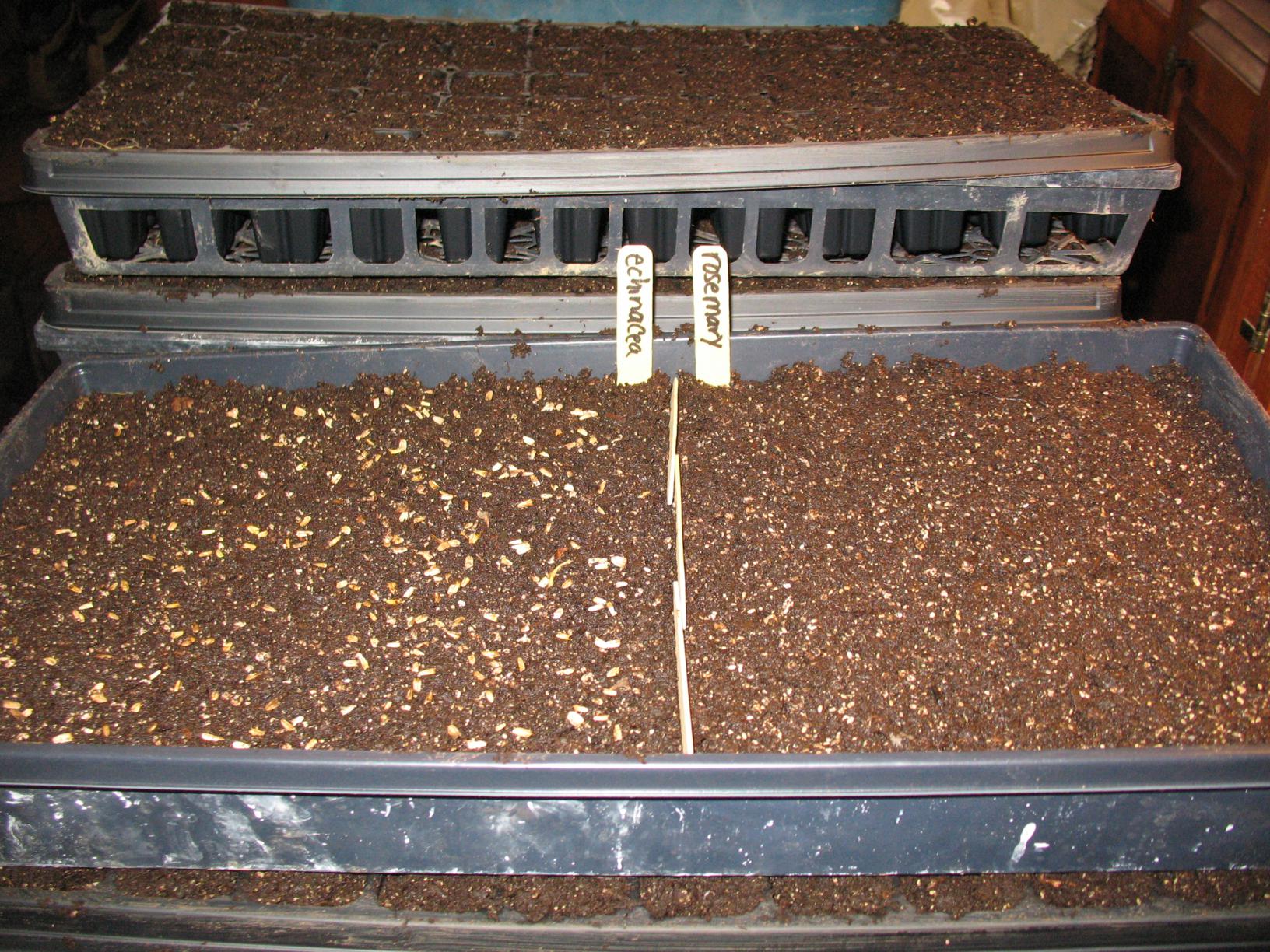
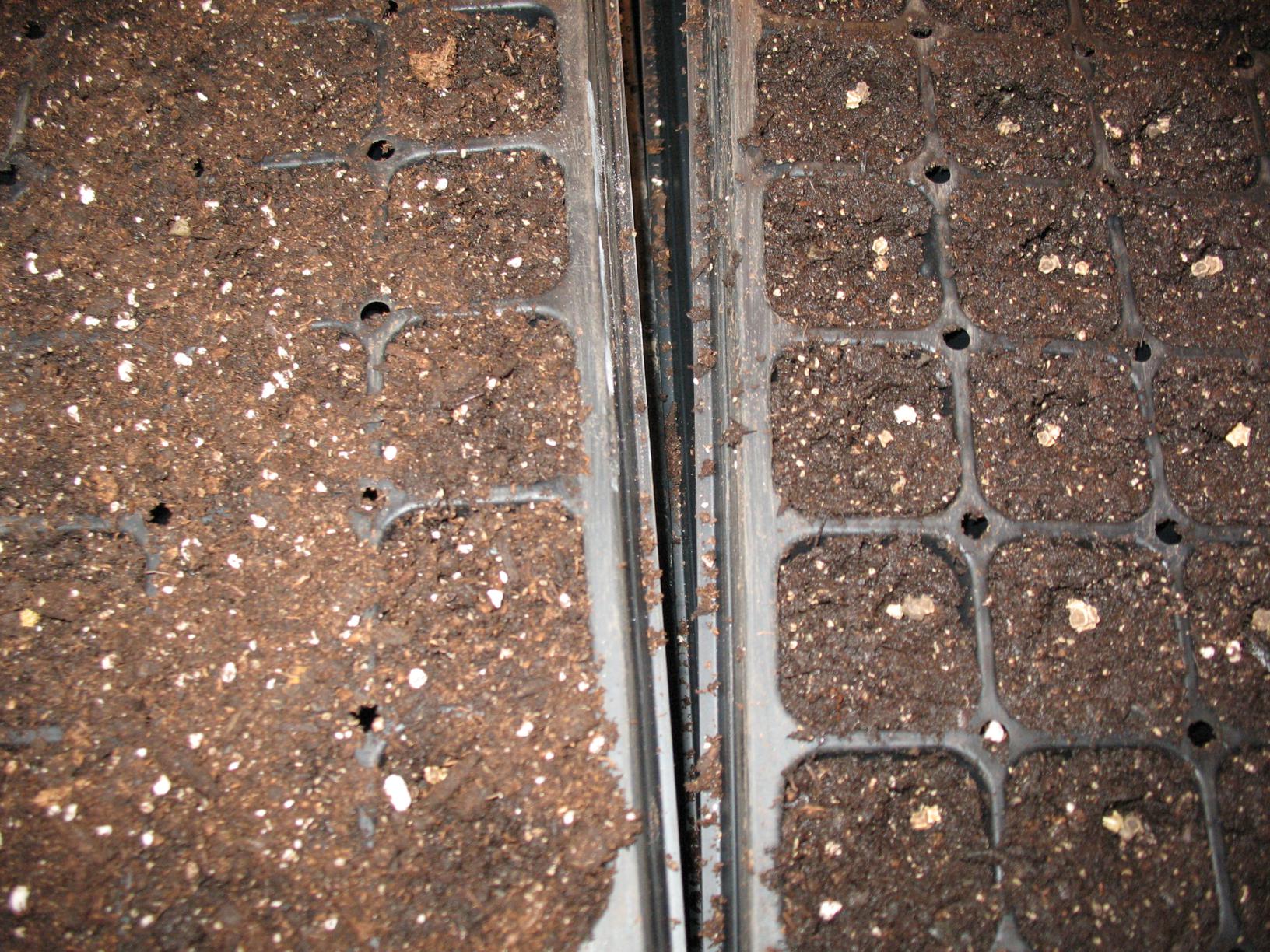
We've been busy starting seeds in the anticipation of it getting warmer at some point!  It's been so dreary, we decided to make a big mess in the hallway of our house and start the seeds there (so the pictures are a bit dark)...


Cleaning House!

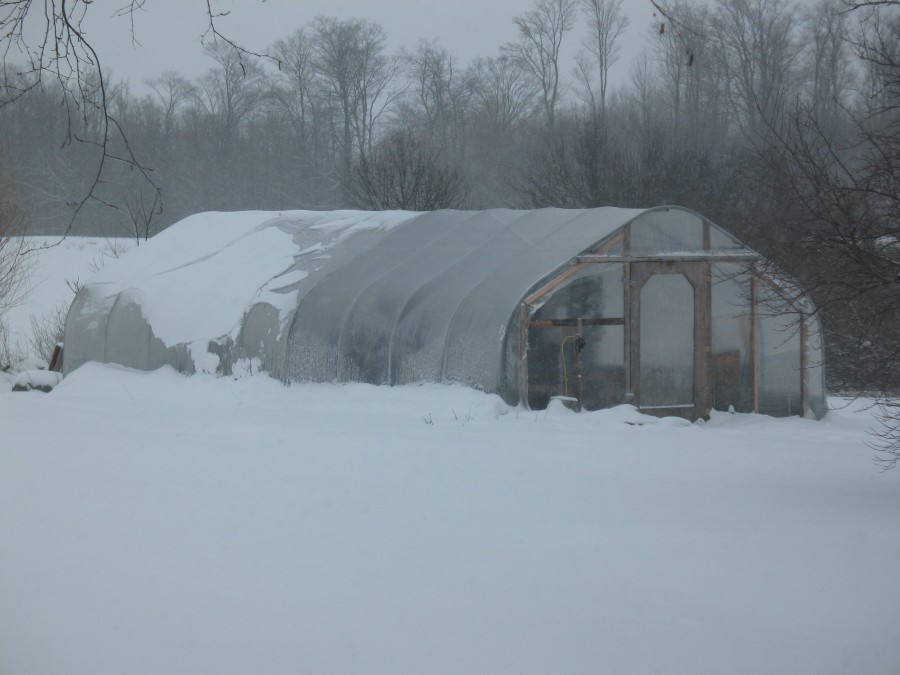
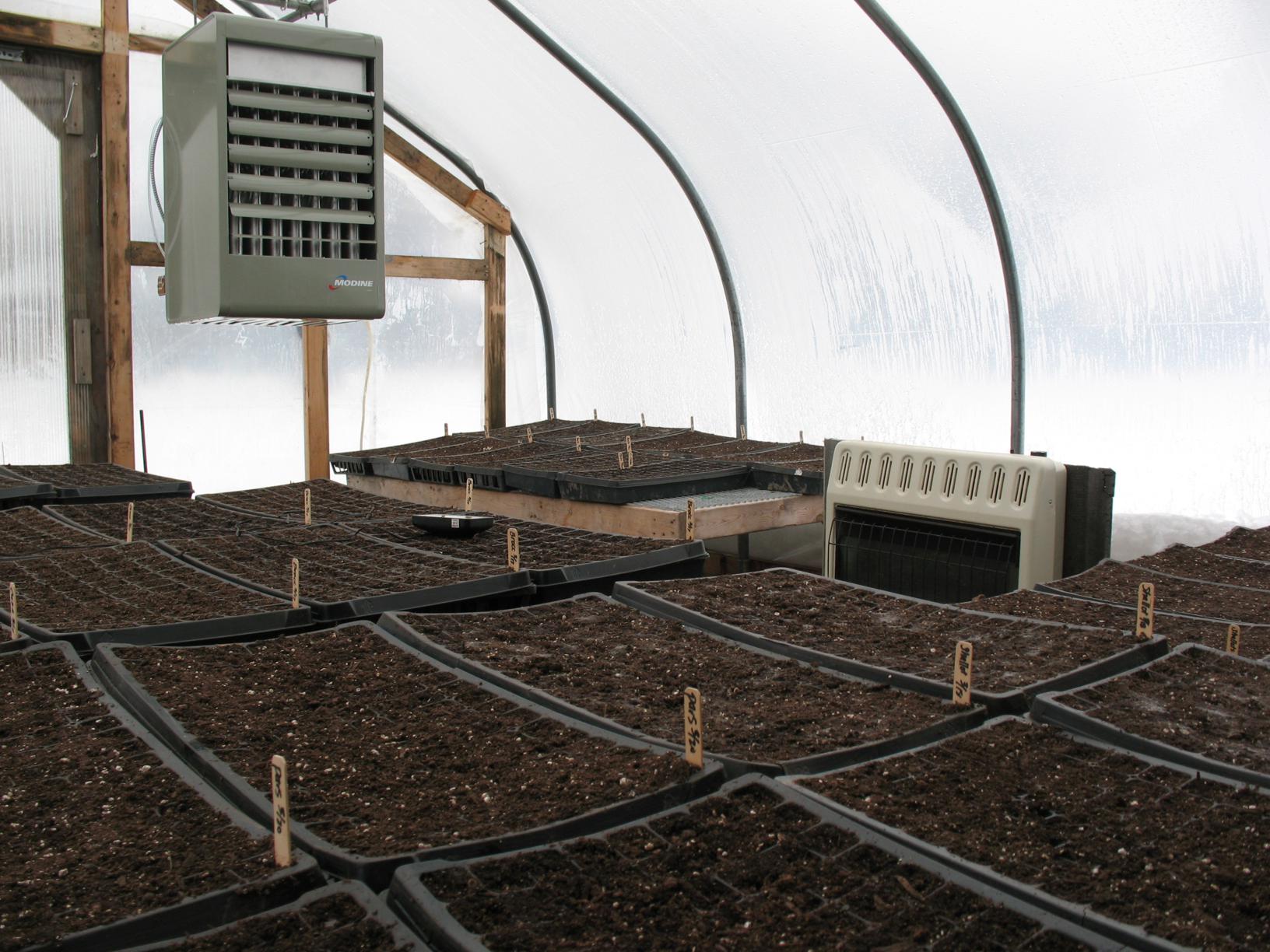
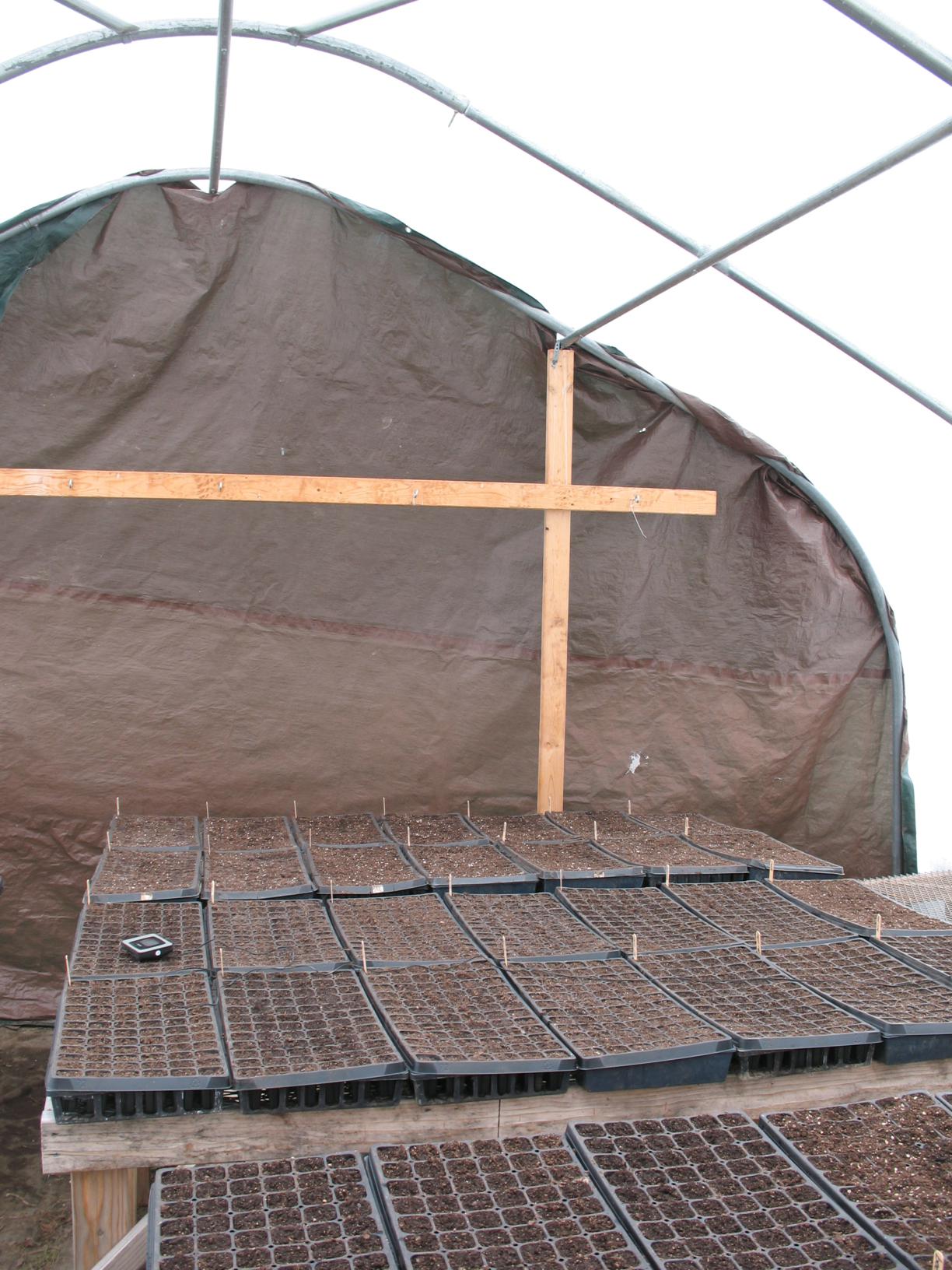
It was a busy weekend on the farm as the weather starts breaking.  Yesterday, we headed over to NOFA-NY's Syracuse CSA fair and got to meet a lot of great folks.  We love seeing how more and more people are getting interested in CSA.  We might be biased, but it really is a great way to connect with your local farms and enjoy delicious seasonal food! With today's beautiful days, a bit of the fields are starting to poke out through the snow.  (Since we are at 1400 feet elevation, we have a bit longer a thaw than everyone living down in tropical Syracuse or Utica.)  Matt used the break in the weather to finish cleaning the greenhouse in preparation for firing it up this week.  We have all our trays, seeds, and soil ready--we just have a few more heating system tweaks and we are good to go!  I'm working hard to control myself from starting seeds too early.  Last year we had such good early growth the plants were ready before the weather was!  This year we are waiting an extra 5 to 10 days on our first seeding round.

Greenhouse spring cleaning!

While Matt played in the greenhouse, I finalized (for the sixth time) our irrigation order (I definitely got the bum end of the deal).  Each year I tell myself I'm going to pawn off irrigation planning to a high school algebra class, but each year I forget to do it until midway through the process.

We survived last season with our existing irrigation system, but the severity of the drought definitely made us realize that even though we have a pond, we need to be more frugal with water (since the pond is not limitless).  This means changing around our set-up quite a bit, and each change involves solving for a range of variables (flow rates, water pressure, length of the lines, and more).  Hopefully we have perfect weather this summer (3 days of sun followed by 1 day with a gentle 3/4" of rain) and don't need all this irrigation, but we want to be prepared just in case!

Winter Working--How We Figure Out What We Grow!

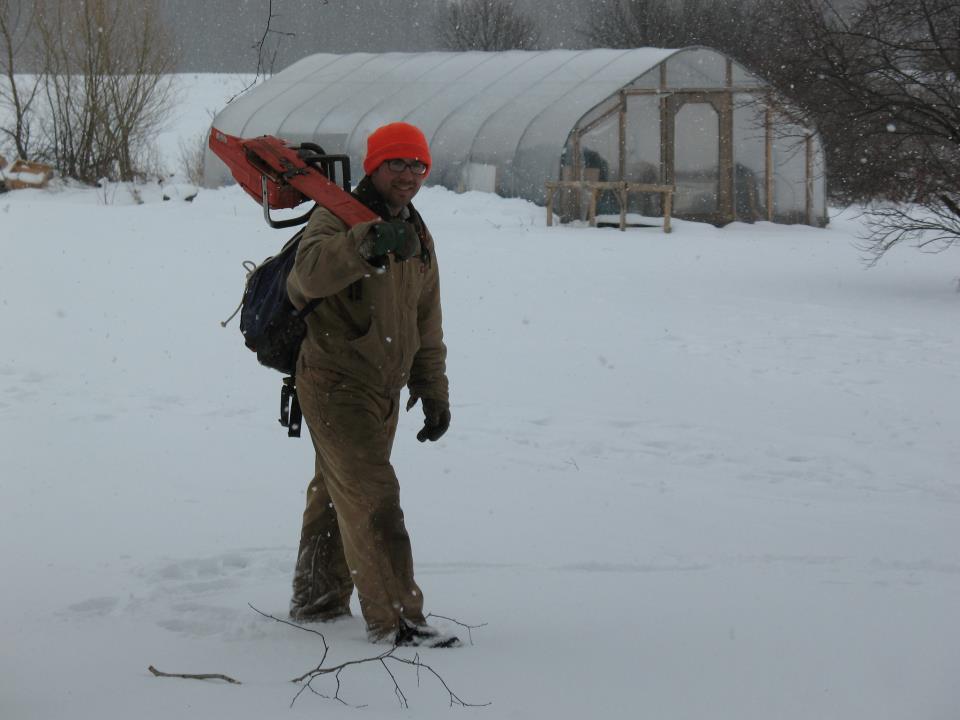
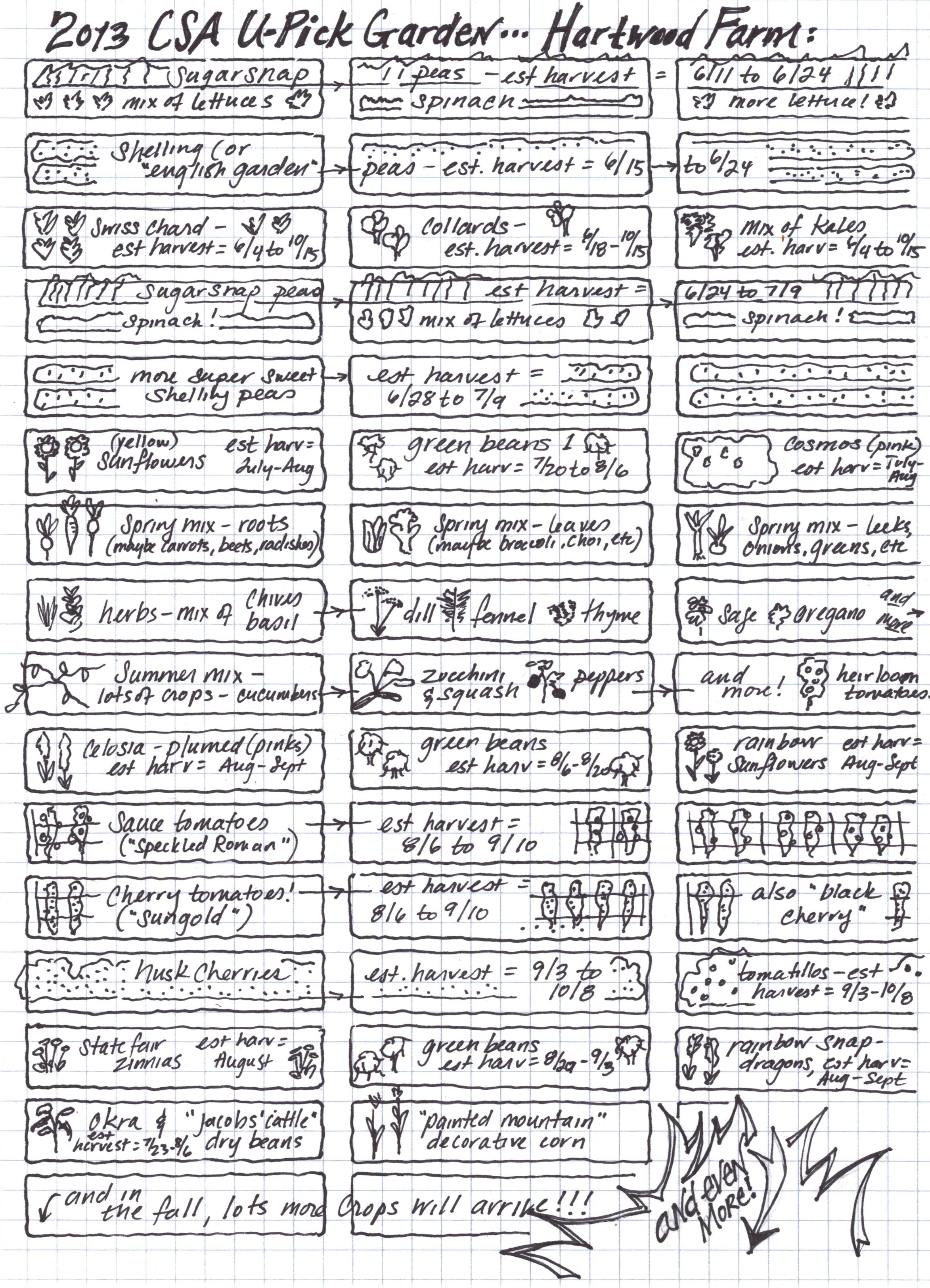
Despite our lack of blogging, we have been busy on the farm--just either not working on very photogenic stuff or working in non-camera friendly conditions, though Matt's been rocking the chainsaw, cutting wood for next winter!  (We are looking for a wood/oil furnace for our greenhouse if anyone out there knows of one floating around!) Since one of our most common questions is, "what DO you do in the winter?" we thought we'd itemize a bit of what most of our winter work entails--crop planning!  The basic theory of crop planning is to do anything that involves thinking and decision making in the quiet winter time and write it all down so that in the hectic, crazy, sometimes 20 hour days of spring, minimal thinking is involved (and we don't forget to plant anything)!

We started by deciding:  1) what markets we want to go to (the Cazenovia summer market, and a number of  winter markets); 2) to expand our CSA a bit and add a second delivery loop out to Utica/Rome; and 3) to add a bunch of new crops (potatoes, sweet corn, sweet potatoes, strawberries, and more).

Once we figured out what and where we are selling, we then calculate out how much of each crop we need to grow.  Essentially, we sketch out exactly what crops we will have to harvest each week for every CSA member and our market (barring weird weather, disease, or pests) from May through December.  And then we do the math to figure out how much we need of each supply to grow that crop (mulch, trellis posts, twine, foliar sprays, trays, harvest boxes, irrigation line, and on and on).  We then go back and forth a bit to figure out what combination of crops will best please our members and market, while being the most efficient use of space, time, and resources.

This process generally takes us about a month, and by the time we are done, we are usually tired of algebra, geometry, and computers!  However, we also have a set of documents that tells us what we are planting, when and where we are planting it, and a ton of other details.  This comes in handy when the season's rush arrives, and lets us be more efficient with our limited time and money!

The final step in planning is assembling all our orders.  This is really satisfying and fun (who doesn't love seed catalogs?) but also a bit scary, since we end up purchasing 90% of our farm's expenses in a 3 week period in February (gulp!), before we even start growing any crops!  This is where the CSA model really can really help farmers, both by making planning easier since you know who you are growing for, and make juggling pre-season expenses less challenging thanks to early signups and deposits.  (On that note, a big thanks to all our great members!)